
Oenanthe divaricata
Oenanthe divaricata
Oenanthe divaricata belongs to the Apiaceae family. It is a perennial herbaceous plant that naturally thrives in moist and wetland habitats.
What the section contains
Oenanthe divaricata
The crop has high requirements for soil moisture levels, preferring floodplains, water edges, and marshy areas. Optimal vegetation conditions are found on fertile, humus-rich loams with a shallow water table.
The plant possesses a well-developed root system, allowing it to efficiently absorb nutrients from waterlogged substrates. It demonstrates high adaptability to temporary flooding, making it a promising candidate for difficult-to-reach land.
The temperature regime for this species should be temperate. The crop is sensitive to severe droughts, as intensive water transpiration through its broad leaves necessitates constant replenishment of water in the root zone.
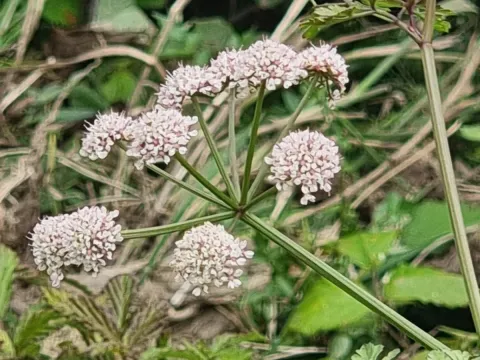
Botanically, the plant features distinct umbel inflorescences typical of the Apiaceae family and a specific stem structure. It tends to tiller, which ensures the formation of dense grass cover under favorable growing conditions.
The primary threats to this crop include fungal diseases that flourish in stagnant moisture, such as powdery mildew and various types of leaf spot.
Pests affecting Oenanthe include typical representatives of the Apiaceae, specifically larvae of certain bug species and aphids, which can damage inflorescences and young shoots.
It is essential to control weed populations that may compete with the crop for space during the initial growth phases until the plants have established sufficient biomass.
Phytosanitary monitoring of the fields is mandatory during periods of high humidity, as the risk of root rot increases significantly. Prevention involves strict adherence to crop rotation practices.
Application of fungicides on this crop must be carried out strictly according to established protocols, taking into account the plant's high sensitivity to chemical impact during the active flowering stage.