
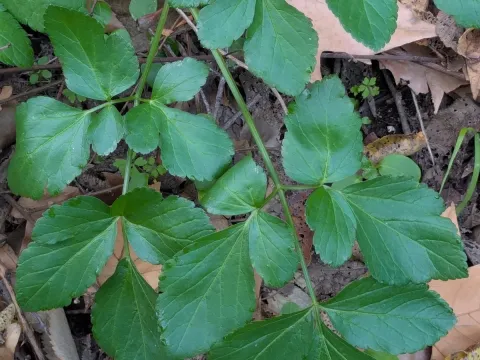
Smyrnium
Smyrnium
Smyrnium is a biennial plant, and its seeds are best sown in late autumn or very early spring to mimic natural germination cycles.
What the section contains


Smyrnium
Because the seeds have a dormant period, cold stratification is highly recommended to improve the germination rate before sowing them in the field.
The seeds should be covered with a light layer of soil, approximately 1–2 centimeters deep, to protect them while allowing sufficient light for development.
Maintaining consistent soil moisture is crucial during the germination phase, as dry conditions can significantly delay the emergence of seedlings.
Once the seedlings reach a height of 5–10 centimeters, they should be thinned to ensure adequate spacing, allowing each plant to build a strong root system.
Belonging to the Apiaceae family, Smyrnium thrives in fertile, well-draining soils that are rich in organic matter and have a neutral pH.
While the plant can adapt to different light conditions, it prefers a semi-shaded environment to prevent the leaves from becoming too tough or bitter.
Temperature management is important; as a plant of Mediterranean origin, it prefers temperate climates but requires protection from harsh winter frosts.
Regular weeding is essential for the young plants, as Smyrnium does not compete well with vigorous weeds in the early stages of its development.
Proper aeration of the soil is necessary to prevent root diseases, so adding compost or sand to heavy clay soils is a recommended practice.
Fungal diseases, including leaf spot and various rots, are common threats, especially when the plant is grown in damp and poorly ventilated conditions.
Pests like aphids can infest the soft leaves, particularly during dry spells, potentially weakening the plant and encouraging secondary infections.
Slugs and snails may attack young seedlings, necessitating protective measures such as physical barriers or environmentally friendly deterrents.
Good cultural practices, such as wide spacing and proper irrigation, are the most effective ways to prevent the buildup of pathogens on the site.
Monitoring the plant regularly for early signs of yellowing or spots allows for quick intervention before the infestation becomes widespread.
The edible parts of Smyrnium include the young leaves, stems, and roots, which have a characteristic flavor profile similar to celery or parsley.
Leaves can be harvested continuously throughout the first year of growth, provided that the growing point in the center of the rosette is not damaged.
The roots are typically harvested in the autumn of the first year or the early spring of the second year before the plant shifts energy to flower production.
After harvesting, the roots should be cleaned thoroughly and stored in a cool, dry place to maintain their flavor and crisp texture for culinary applications.
Culinary uses are diverse, with the leaves typically used in salads, while the roots can be roasted or boiled to accompany various vegetable dishes.