
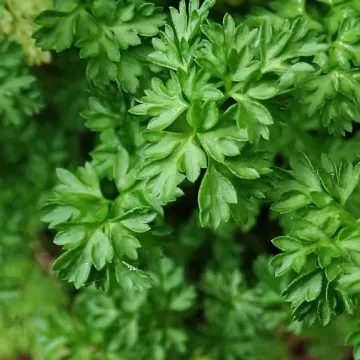
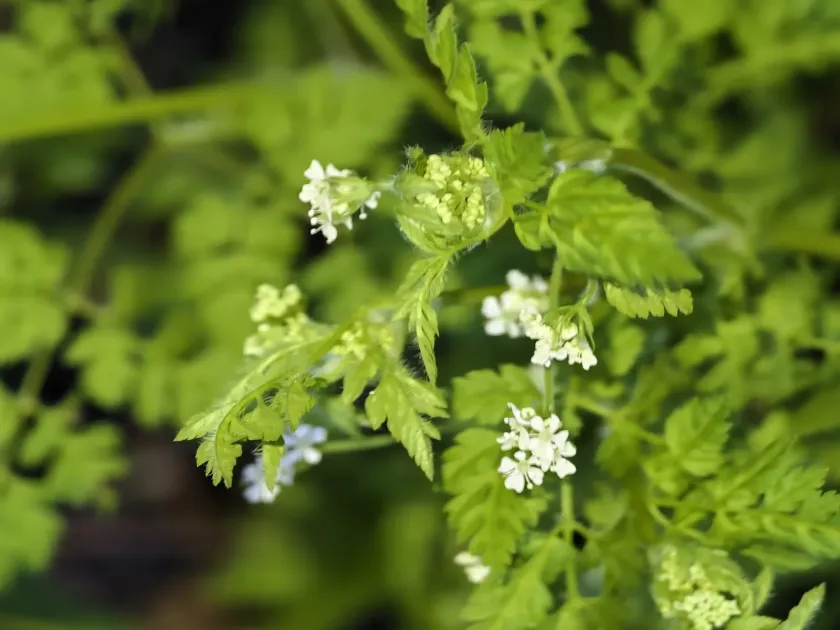
Description
Sowing dates
Chervil is a fast-growing annual crop that is typically sown directly into the garden soil. The ideal time for sowing is early spring as soon as the ground can be worked, or in late summer to ensure a bountiful autumn harvest.
To ensure a continuous supply of fresh leaves throughout the growing season, gardeners should employ successive planting, sowing new seeds every two to three weeks. Avoid mid-summer planting, as long days trigger premature bolting.
Seeds should be planted at a shallow depth of approximately 1 to 2 centimeters. Rows should be spaced about 25 to 30 centimeters apart to allow for proper airflow and easy weeding between the rows.
Germination of chervil can be slow, often taking up to three weeks. Pre-soaking the seeds in water for 24 hours before planting can significantly speed up the emergence of the seedlings.
As a hardy plant, chervil seedlings can tolerate light frost, making it one of the first fresh herbs available in the garden after the winter season.
Growing requirements
Chervil (Anthriscus cerefolium), a member of the Apiaceae family, thrives best in partially shaded locations. Direct sunlight throughout the day often causes the leaves to yellow and encourages the plant to flower early.
Consistent soil moisture is essential for producing high-quality chervil. If the soil becomes too dry, the plants will quickly develop a bitter taste and lose their delicate, anise-like aroma.
The plant performs best in fertile, well-draining, and loose soil rich in organic matter. Avoid heavy clay soils that retain excess moisture, as they can lead to root rot and poor development of the foliage.
While the plant responds well to compost and organic fertilization, excessive nitrogen should be avoided to prevent the accumulation of nitrates. A balanced soil nutrient profile is key to superior leaf flavor.
Chervil prefers cool and mild temperatures, ideally between 15 and 20 degrees Celsius. In areas with high heat, the plant lifecycle is drastically shortened, making it unsuitable for cultivation.
Yield
The yield of chervil is highly dependent on environmental conditions and the intensity of care. With proper moisture management, growers can expect approximately 1 to 1.5 kilograms of fresh leaves per square meter.
By regularly harvesting individual outer leaves and preventing early flower formation, the harvest period can be extended. Proper crop management allows for multiple pickings within a single season.
Chervil is primarily valued as a culinary herb, often used in French cuisine (part of the 'fines herbes' blend). It is a staple in soups, salads, and egg dishes, providing a unique mild taste profile.
The herb is intended for fresh consumption rather than storage. Because it does not preserve well by drying, commercial production is typically limited to fresh markets and short supply chains.
Nutritionally, chervil is rich in vitamin C, iron, and magnesium, making it a healthy addition to daily meals, especially during the spring and autumn months when fresh greens are desired.
Main diseases and pests
Powdery mildew is the most common disease affecting chervil, particularly in conditions with high humidity and poor ventilation. Providing enough space between plants helps significantly in preventing outbreaks.
Slugs and snails can pose a serious threat, especially to young seedlings. Gardeners should monitor for these pests during damp periods and take steps to protect the plants using physical barriers.
Aphids may occasionally infest the plants, particularly in greenhouse conditions. In such cases, organic-based soaps or essential oil sprays are recommended to control the population without harming the edible leaves.
Root rot caused by stagnant water is a potential risk. Maintaining well-draining soil and avoiding over-watering are the best preventative measures against soil-borne fungal issues.
While chervil is relatively robust, avoiding other Apiaceae crops as direct predecessors in the garden helps in mitigating the build-up of specialized pests and diseases in the soil.
Harvesting
Harvesting usually begins 6 to 8 weeks after planting, once the plants reach a height of 15 to 20 centimeters. It is crucial to pick the leaves before the plant begins to produce flower stalks.
The best practice is to harvest during the early morning hours when the moisture content and essential oil concentration in the leaves are at their peak. Sharp scissors should be used for a clean cut.
For sustainable harvesting, remove only the outer leaves of the plant. This allows the inner, younger leaves to continue growing, enabling a longer harvest duration from the same patch.
If a large-scale harvest is required, the entire plant can be cut just above the ground level. However, if the intent is to have a continuous supply, manual selective harvesting is highly preferred.
Freshly cut chervil should be kept in a cool environment, preferably in a glass of water, to maintain its crispness. It is highly perishable and should be consumed shortly after harvest for the best experience.
Content graph
Connections · Chervil
Most often together:
Marketplace
Products · 7


