
Bur chervil
Anthriscus caucalis M. Bieb.
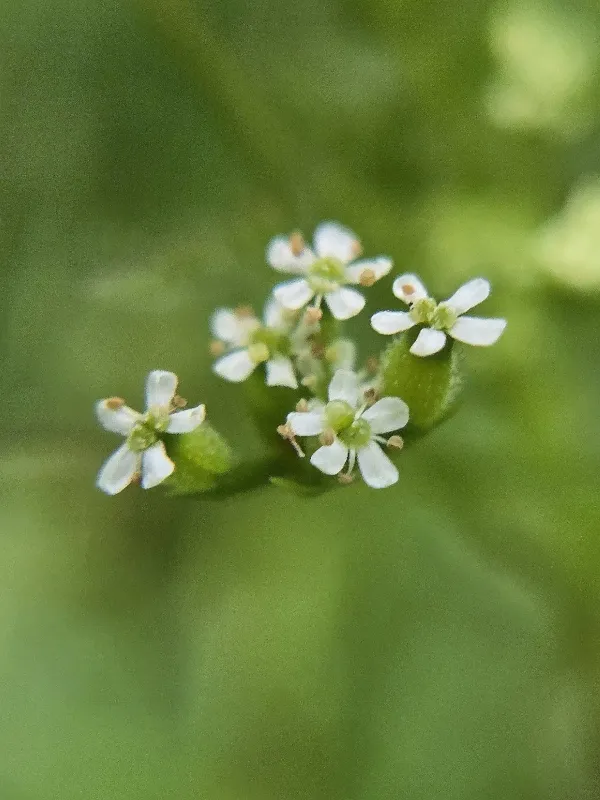
Description
Sowing dates
Bur chervil (Anthriscus caucalis) belongs to the Apiaceae family. It is an annual herbaceous plant often cultivated for its nutritional and aromatic properties, thriving in various temperate climatic conditions.
Sowing in open fields is usually performed in early spring as soon as the soil temperatures reach 5-8 degrees Celsius. Autumn sowing is also a viable option to ensure rapid growth and earlier harvests in the following season.
Seeds should be sown in rows with spacing of 30-40 centimeters. The seeding depth should not exceed 1.5 to 2 centimeters to provide the seeds with sufficient light exposure required for successful germination.
The seeding rate typically ranges from 6 to 8 kilograms per hectare depending on seed purity and germination rate. Pre-sowing treatments like stratification or soaking can significantly improve field emergence percentages.
Once seedlings emerge, thinning is required to maintain a distance of approximately 15 centimeters between plants. Proper thinning promotes the development of robust leaf rosettes and increases overall biomass production.
Growing requirements
Bur chervil performs best in fertile, well-drained loamy soils with a neutral or slightly alkaline pH level. Waterlogged conditions must be avoided as they inhibit root development and favor decay.
This crop is sun-loving and requires well-lit areas for optimal biomass growth. Excessive shading during the growth stage often leads to elongated stems and lower concentrations of essential oils in the foliage.
Incorporating organic fertilizers such as compost or well-rotted manure during pre-planting soil preparation is highly beneficial. Supplemental mineral fertilization during the active growth phase boosts leaf production.
The ideal temperature range for active development is 18–22 degrees Celsius. The crop exhibits decent cold tolerance, making it suitable for regions experiencing cool spring temperatures without the risk of severe damage.
Consistent moisture is crucial during the active leaf-forming stage. Drought stress forces the plant to trigger its reproductive cycle prematurely, which causes the stems to become fibrous and reduces product quality.
Yield
Yields of Bur chervil depend heavily on soil fertility and management practices. With optimized agricultural techniques, farmers can expect a yield of 15 to 20 tons of green mass per hectare.
Maximum harvest efficiency is achieved by prioritizing leaf production and avoiding premature flowering. Frequent light harvests can stimulate regrowth and extend the productive lifespan of the stand.
In terms of forage utility, the crop is valued for its nutrient content. Proper management allows for multiple cuttings per season, maximizing the return per unit area for livestock-based farming.
If grown for seed production, green mass yield is naturally lower as the plant diverts its resources into seed head formation. Careful monitoring is required to ensure optimal seed maturity before harvest.
The applications for the harvested crop include the food industry, pharmaceutical production, and as a quality vitamin supplement in livestock feed rations when harvested at the right phenological stage.
Main diseases and pests
Common fungal diseases, including powdery mildew and various leaf spots, are significant threats, especially during periods of high humidity and poor field ventilation. These conditions necessitate careful field monitoring.
Pests like aphids and spider mites frequently attack the crop, sucking the sap from young leaves and stems, which leads to plant stunting and decreased aesthetic and nutritional value of the foliage.
Soil-dwelling insects, such as wireworms, may pose a risk to the root system of young plants, leading to patchy stands if not managed through proper pre-planting soil treatments or crop rotation strategies.
- Maintain strict crop rotation schedules to minimize the buildup of soil-borne pathogens.
- Ensure adequate spacing between rows to improve air circulation and reduce fungal risks.
- Utilize biological pest control agents to manage aphid and mite populations effectively.
Integrated pest management (IPM) is recommended to minimize chemical reliance. Any necessary pesticide applications must adhere strictly to pre-harvest intervals to ensure safety for final use.
Harvesting
The harvest of green mass is conducted in multiple steps as the leaf rosettes reach maturity. Sharp tools are essential to ensure clean cuts, preventing damage to the plant's growth center.
The optimal time for harvesting is during the early morning hours after dew has evaporated but before the heat of the day. This practice ensures better turgor pressure and longer shelf life for the produce.
Post-harvest, the product should be cooled or processed immediately to maintain quality. Being a perishable crop, efficient supply chain logistics are critical to preserving the product's nutritional value.
For seed harvests, the process occurs when the flower umbels turn brown. It is crucial to monitor the maturity process closely to prevent the seeds from shattering and falling onto the ground.
Post-harvest handling involves cleaning the seeds of impurities and drying them down to 10-12 percent moisture content. Proper storage in a dry, cool place is necessary to prevent spoilage during long-term storage.