
Arctopus
Arctopus
Arctopus is a genus of perennial herbaceous plants belonging to the Apiaceae family, native to the Southern African region. The most notable species, Arctopus echinatus, is widely recognized for its medicinal properties in traditional practices.
What the section contains

Arctopus
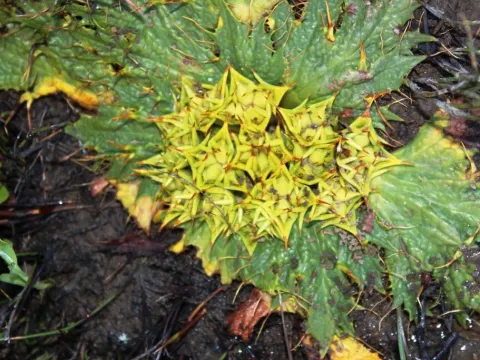
Botanically, the plant develops a rosette of spiny, ground-hugging leaves that provide protection against herbivory and high evaporation rates, typical of its natural arid habitat.
For successful cultivation, Arctopus requires sandy, extremely well-drained soils that mimic its native Cape floral kingdom environment, avoiding any heavy or clay-rich compositions.
The climate requirements include a Mediterranean-type cycle, characterized by cool, wet winters and dry summers, which is essential for the plant's metabolic dormancy and growth phase.
Proper water management is critical; moisture should be provided primarily during the vegetative phase, while a dry period is necessary for the root system to maintain its health and chemical integrity.
The primary threats to Arctopus cultivation are soil-borne pathogens, specifically fungal root rots caused by over-irrigation and poor drainage in non-native environments.
Pests such as root-knot nematodes represent a significant danger, as they infest the underground structures, leading to reduced nutrient uptake and stunted growth of the entire plant.
In humid microclimates, leaf spot diseases can occur, causing necrosis of the rosette and significantly reducing the commercial and biological value of the plant.
Agricultural management must prioritize strict isolation from commercial greenhouse crops to prevent cross-contamination by common pests like aphids or spider mites, which can easily infest the rosettes.
Due to the sensitivity of the species to fertilizers, the accumulation of salts in the soil can trigger chemical stress, making the plant susceptible to secondary opportunistic infections.