
Trivalvaria costata
Trivalvaria costata
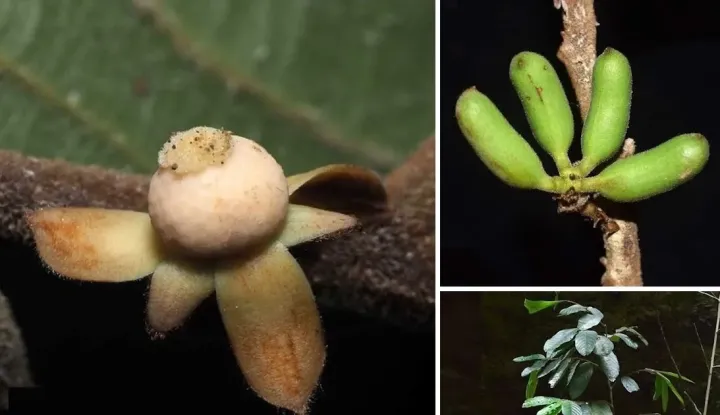
Description
Growing requirements
Trivalvaria costata is a botanical member of the Annonaceae family. This evergreen shrub is native to the tropical forests of Southeast Asia, where it typically occupies the understory layer.
The plant thrives in a consistent tropical climate with temperatures ranging from 22°C to 28°C. It is extremely sensitive to thermal shock and requires protection from any sudden cold snaps or frost events.
Successful cultivation relies on soil that is rich in organic matter and maintains excellent drainage. A slightly acidic soil composition is considered optimal for the development of the plant's root system.
Regarding light, Trivalvaria costata prefers filtered or dappled sunlight. Intense direct exposure can damage the foliage, leading to dehydration and leaf necrosis in young specimens.
Maintenance involves routine moisture management and soil enrichment. Organic fertilizers applied during the growing season help sustain robust growth and improve the plant's overall resilience against environmental stress.
Main diseases and pests
The primary pests affecting this species include mealybugs and various species of scales. These insects typically cluster on the undersides of leaves or along the stems, impeding nutrient transport.
Fungal pathogens such as anthracnose represent a significant threat, especially in high-humidity environments with poor air circulation. Preventive measures should include regular pruning to ensure proper aeration.