
Annona emarginata
Annona emarginata
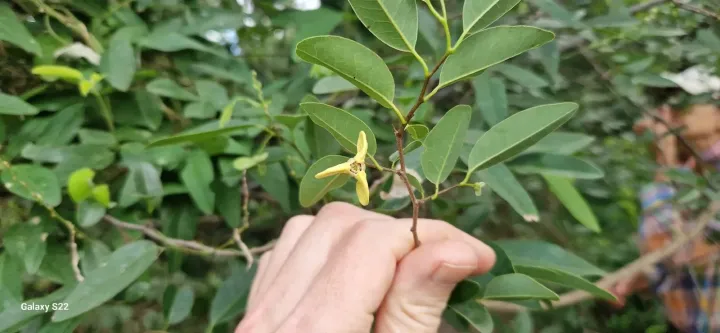
Description
Growing requirements
Annona emarginata is a rare species of evergreen shrub or small tree belonging to the Annonaceae family. It is native to the tropical regions of South America, specifically adapted to the savanna and woodland environments of Brazil and Paraguay.
The plant requires a hot and humid tropical climate to thrive, showing very little tolerance for cold weather. Due to its susceptibility to freezing temperatures, it is almost exclusively grown in controlled greenhouse environments or tropical zones where winter temperatures do not drop below critical levels.
For successful cultivation, the soil must be well-drained and nutrient-rich, mimicking the conditions of its native habitat. Any form of waterlogging can be fatal to the root system, so proper soil preparation and drainage systems are mandatory for any commercial or hobbyist planting.
Light management is a critical factor in the plant's growth cycle. While mature plants appreciate full sun, younger specimens benefit from partial shade, particularly during the peak of the day to prevent leaf scorch and soil desiccation.
The fruit of this species is highly regarded for its unique flavor profile, similar to other members of the Annona genus. While its commercial availability is limited compared to better-known relatives, it remains a plant of interest for botanists and enthusiasts of exotic tropical agriculture.
Main diseases and pests
The main threats to Annona emarginata include fungal diseases that typically arise from poor air circulation or over-watering. Root rot is a common issue that occurs when the substrate is too compact or retains excessive moisture for long periods.
Pest management is focused on controlling soft-bodied insects such as mealybugs and scale insects. These pests often congregate on the undersides of leaves and along stems, requiring regular monitoring and the occasional application of horticultural oils to maintain plant health.