
Annona dioica
Annona dioica
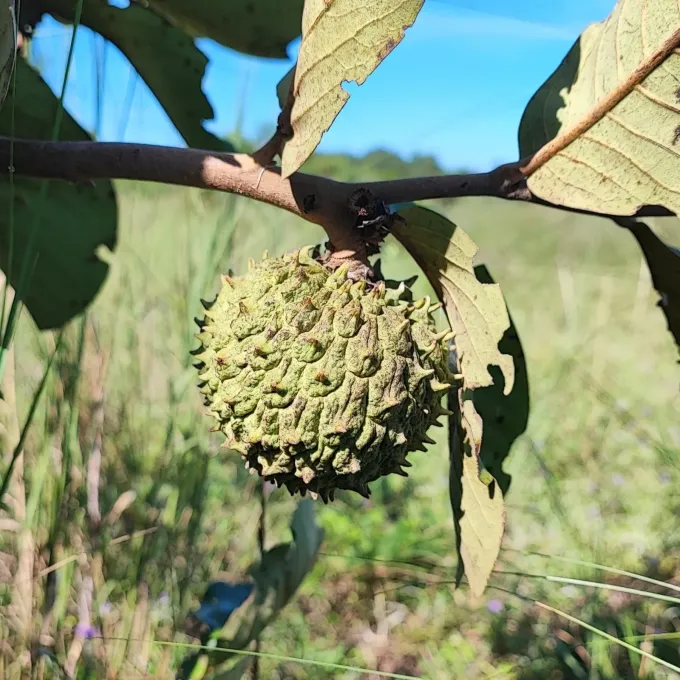
Description
Growing requirements
Annona dioica is a distinctive species within the Annonaceae family, native to the savanna-like regions (cerrado) of Brazil. It is a slow-growing woody shrub or small tree that has evolved to thrive in seasonally dry environments, making it more resilient than many other tropical fruits.
The plant requires well-drained, slightly acidic soil to thrive. It is particularly well-adapted to nutrient-poor soils, which allows it to colonize areas where other crops might struggle. Adequate soil aeration is critical, as root rot is a common issue in waterlogged or heavy clay conditions.
Climate-wise, Annona dioica demands a warm, frost-free environment. It excels in tropical zones with distinct wet and dry periods. While it can withstand short periods of drought, consistent moisture during the fruit-set phase is essential for optimal yields and fruit quality.
Botanical features include broad, leathery leaves that minimize water loss and a robust root system. The plant often exhibits a multi-stemmed habit, which is characteristic of many shrubs found in the Brazilian cerrado. Flowers are unique and attract specific pollinators, which is an important aspect of its reproductive cycle.
Economically, the species is valued for its aromatic and sweet-tasting fruits. These are predominantly consumed locally in Brazil. Beyond the fruit, the plant is researched for its phytochemical properties and its potential as a genetic resource for improving drought tolerance in other commercial Annona species.
Main diseases and pests
Fungal pathogens represent the most significant threat to Annona dioica, particularly when humidity levels rise during the monsoon season. Proper spacing between plants is mandatory to maintain airflow, which significantly reduces the risk of leaf spot and fungal infections on developing fruits.
Insect pests including mealybugs and scale insects frequently attack the stems and undersides of leaves, causing stunted growth. Integrated pest management strategies, focusing on early detection and the use of natural predators, remain the most effective way to protect the health of these trees.