
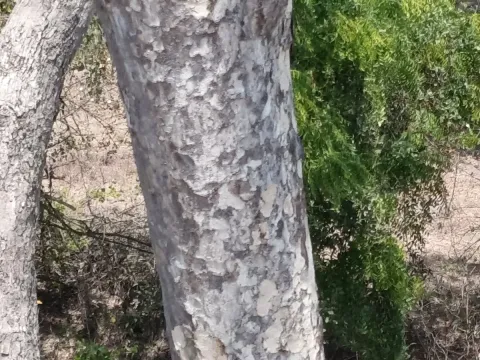
Astronium
Astronium
Astronium is a genus of tropical trees belonging to the Anacardiaceae family. Native to the Neotropics, these trees are highly regarded for their dense, durable, and aesthetically pleasing wood, which is often traded under the name Gonçalo Alves or Zebrawood.
What the section contains

Astronium
The culture thrives in tropical climates characterized by warm temperatures and distinct seasonal patterns. Optimal growth occurs in full sun exposure, which is essential for the development of high-quality heartwood and straight, uniform trunks.
Soil requirements for Astronium are specific: it demands well-drained, fertile soil. The species does not tolerate waterlogging, as excessive moisture in the root zone can trigger physiological stress and significantly increase susceptibility to soil-borne pathogens.
Botanically, Astronium trees are known for their slow growth rate and high wood density. The heartwood is particularly famous for its rich brown colors with irregular darker streaks, making it a premium material for fine furniture, flooring, and decorative veneer.
Proper silvicultural management involves systematic pruning during the juvenile stage to encourage height growth and branch removal. This practice ensures that the tree allocates energy efficiently, leading to a higher volume of clear, knot-free wood at maturity.
Primary threats to Astronium include various fungal infections, particularly those that target the vascular system. These pathogens often manifest when the trees are grown in regions with excessive atmospheric humidity and poor air circulation.
Insect pests represent another significant challenge, with wood-boring beetles being the most damaging. These insects can compromise the structural integrity of the timber, rendering it unsuitable for high-value decorative applications.
Vegetation competition is a critical issue during the establishment phase. Younger trees require clean cultivation or mulching to ensure they are not shaded out by aggressive tropical weeds that compete for light and nutrients.
Environmental stress, including unexpected drought, can weaken the trees' natural defenses. Implementing sustainable water management and mulching helps preserve soil moisture, thereby bolstering the tree's resilience against opportunistic diseases.
Effective management strategies should focus on integrated pest and disease control, including regular field inspections and the removal of infected debris to maintain a healthy plantation ecosystem.