
Astronium graveolens
Astronium graveolens
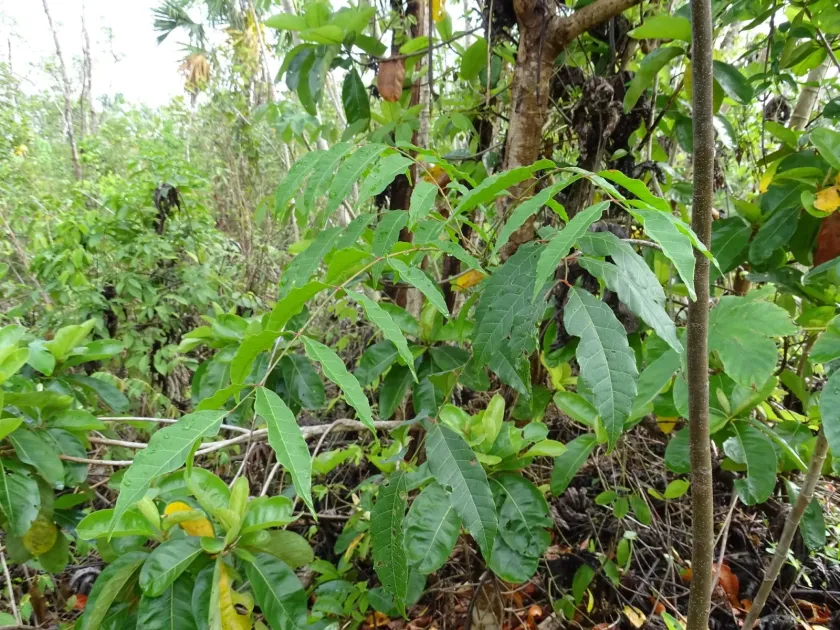
Description
Growing requirements
Astronium graveolens, a member of the Anacardiaceae family, is a robust tropical deciduous tree. It can reach heights of up to 30 meters with a trunk diameter of approximately 80 centimeters.
The native range of this species covers the tropical regions of Central and South America, extending from Mexico to Brazil. It typically inhabits well-drained soils within seasonally dry tropical forests.
The plant is highly photophilous and extremely sensitive to frost. Ideal growing conditions include an average annual temperature above 22 degrees Celsius and a stable rainfall pattern followed by a distinct dry season.
Soil requirements involve loamy or sandy substrates with a neutral to slightly acidic pH. The tree does not tolerate waterlogging, making proper site drainage essential when establishing new plantations.
Commercially, Astronium graveolens is cultivated for its exceptionally hard and durable timber, often referred to as tiger wood, which is highly sought after for its physical properties and aesthetic appeal.
Yield
The yield of this crop is measured by the volume of high-quality timber suitable for furniture and construction. The maturation period for commercial-grade wood ranges from 40 to 60 years.
Seedlings show moderate growth rates during their initial years, but upon successful adaptation to the environment, the tree exhibits significant biomass accumulation given proper maintenance.
The wood is globally recognized for its natural resistance to decay and insect infestation. It remains a premium choice for high-end flooring, cabinetry, and specialized decorative products.
Beyond timber production, the species is vital for reforestation efforts and helps mitigate soil erosion in regions with complex or mountainous terrain.
Strategic plantation management allows for optimal density, which facilitates selective thinning practices and ensures maximum production efficiency for commercial timber harvesting.
Main diseases and pests
Primary threats to young plantations include fungal infections that thrive in environments with excessive humidity and inadequate air circulation within the stand.
Young shoots are frequently susceptible to leaf-eating insects, necessitating routine phytosanitary monitoring during the tree's early developmental stages.
In its natural habitat, the tree faces pressure from uncontrolled logging, which threatens the genetic diversity of populations in several key growing regions.
Intense competition from invasive scrub or weed vegetation can severely retard seedling growth during the establishment phase, requiring persistent mechanical weed control.
Adverse weather conditions, particularly high-intensity winds during monsoon periods, can cause significant structural damage to the crown, leaving the tree vulnerable to opportunistic pathogens.