
Mangifera torquenda
Mangifera torquenda
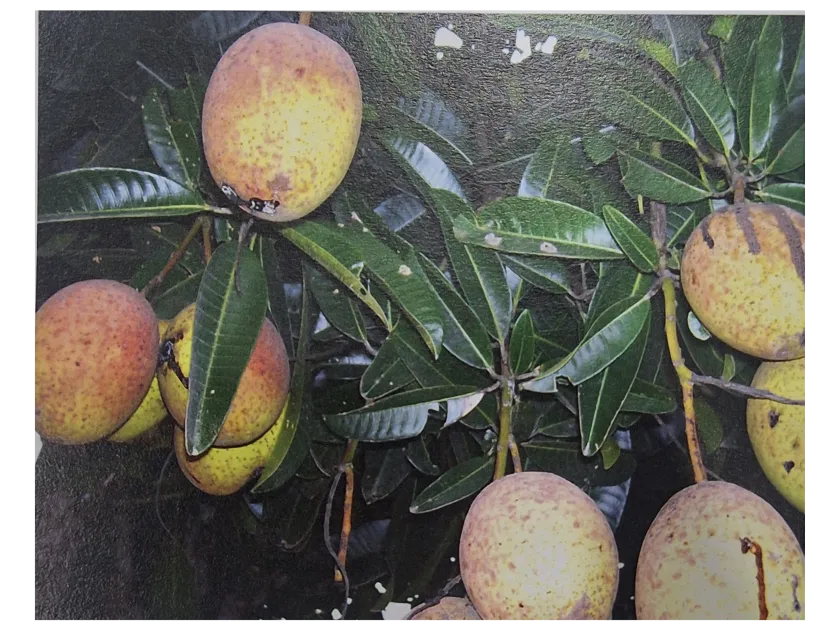
Description
Growing requirements
Mangifera torquenda is a rare tropical fruit tree species belonging to the Anacardiaceae family, native to the rainforests of Borneo. As a member of the Mangifera genus, it thrives in equatorial climates where high temperatures and significant annual rainfall are constant features.
Cultivation of this species requires deep, fertile, and well-drained soils rich in organic matter. Like other mango varieties, it is highly intolerant of waterlogged conditions, which necessitates the selection of sites with excellent natural drainage to prevent root rot and asphyxiation.
The tree requires a climate with minimal seasonal temperature variation, ideally ranging between 24 and 30 degrees Celsius. High atmospheric humidity is essential for both the vegetative development of the tree and the successful pollination of its panicle-type inflorescences.
Botanically, it is an evergreen tree with dense foliage characterized by leathery leaves that are adapted to the specific light conditions of the tropical forest floor. The plant produces numerous small flowers that typically rely on local insect pollinators to ensure fruit set.
The fruit of Mangifera torquenda is utilized primarily for local consumption. Beyond its nutritional value, the species is of significant interest to botanists and researchers as part of the genetic pool for developing future varieties that can withstand specific environmental stressors.
Main diseases and pests
The primary threat to the species is habitat loss due to deforestation, which limits its natural regeneration and genetic diversity. Preserving these trees in protected areas is critical for the survival of the wild population.
Pathological risks include anthracnose, a common fungal disease in the Anacardiaceae family that thrives in humid tropical environments. It can cause significant damage to young leaves, flowers, and developing fruit.
Insect pests such as fruit flies are a major concern, as they oviposit in developing fruits, leading to spoilage and reduced yields. Stem-boring beetles also pose a threat by disrupting vascular transport within the tree trunk.
Agricultural management should focus on maintaining tree health through proper spacing and canopy management to ensure air circulation. Sanitation, such as the removal of infected branches, is a primary defense against fungal pathogen spread.
Integrated pest management (IPM) strategies, which prioritize biological controls and minimal chemical intervention, are highly recommended to protect both the crop and the delicate surrounding tropical forest ecosystem.