
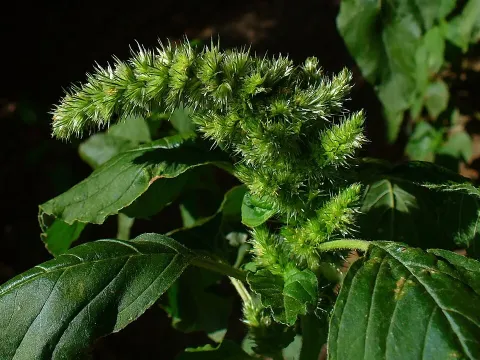
Amaranthus quitensis
Amaranthus quitensis
Amaranthus quitensis is a thermophilic crop, therefore seeding in open soil should only commence once the ground reaches temperatures between 12 and 15 degrees Celsius.
What the section contains
Amaranthus quitensis
In temperate zones, the optimal sowing period is late May or early June, ensuring that the risk of frost has completely passed for the growing season.
The sowing method depends on the final use: grain production typically requires wide-row spacing up to 70 cm, while green fodder requires dense row planting.
Seeds are tiny and must be planted at a shallow depth of 1–2 centimeters to ensure successful germination and to prevent the depletion of energy reserves.
Soil rolling immediately after sowing is highly recommended to improve contact between the seeds and the soil, promoting uniform and rapid seedling emergence.
This species, belonging to the Amaranthaceae family, is a drought-tolerant annual plant capable of thriving in diverse warm environmental conditions.
The plant performs best in well-drained, fertile loam or chernozem soils with a neutral pH, although it can adapt to lower-quality agricultural land.
Being a heliophilic crop, Amaranthus quitensis requires full exposure to sunlight throughout the day to ensure optimal photosynthesis and total biomass accumulation.
Agronomic management includes frequent inter-row cultivation during the initial growth phase, as early-stage seedlings are highly susceptible to weed competition.
Nitrogen applications are effective for yield improvement, but excessive fertilization must be avoided to prevent nitrate accumulation in the foliage tissue.
The plant may be susceptible to fungal diseases such as root rot and powdery mildew, which are predominantly triggered by high soil moisture levels.
Weevils and wireworms are among the most common pests that pose a significant threat to young plants by damaging the root systems and primary stalks.
Leaf-eating larvae, particularly various species of cutworms, can cause substantial damage to the plant's surface area, necessitating regular scouting.
Integrated pest management and strict crop rotation cycles of 3–4 years are essential to reduce the risk of pathogen buildup in the soil environment.
Biological control agents are strongly recommended over heavy chemical treatments to maintain the safety and nutritional quality of the end-product.
Harvesting for green fodder is optimally timed during the flowering stage when the nutrient content, particularly proteins and minerals, is at its peak.
For grain production, harvesting begins when lower leaves turn yellow and the seeds have matured, with grain moisture content ideally at 14–16 percent.
Direct combining is possible for uniform fields, which helps to streamline the harvest process and reduce mechanical loss during seed extraction.
Immediately post-harvest, the grain must be cleaned and dried using forced air to prevent spoilage, mold development, and loss of stored grain quality.
Properly dried Amaranthus quitensis seeds can be stored in cool, dry conditions for extended periods without significant loss of viability or nutritional value.