
Alternanthera porrigens
Alternanthera porrigens Kuntze Revis.
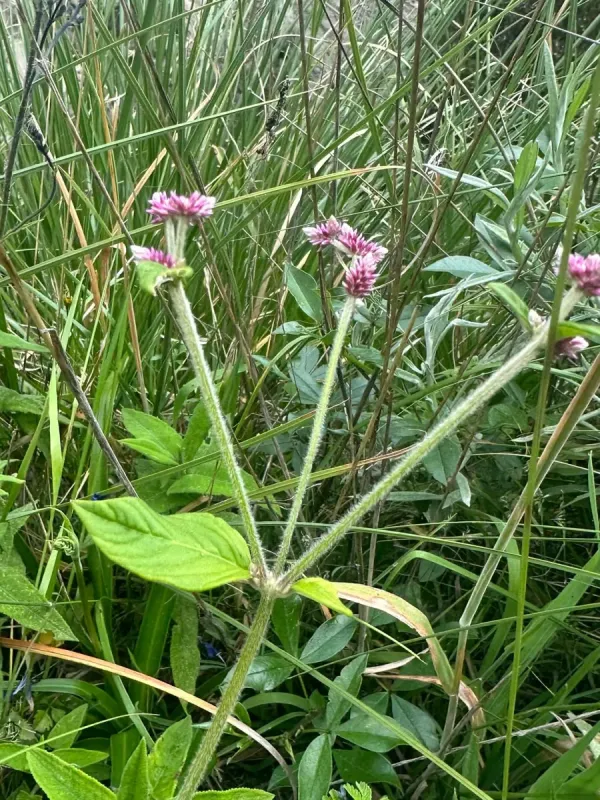
Description
Sowing dates
Sowing Alternanthera porrigens in its native tropical habitat is typically synchronized with the onset of the rainy season to ensure sufficient moisture for germination.
When grown in controlled environments or greenhouses, sowing can be performed year-round, provided that temperature and humidity parameters are strictly managed.
Seeds are small and should be sown at a shallow depth of approximately 1-2 centimeters, ensuring they receive enough light to initiate healthy growth.
Pre-treatment of seeds, such as short-term soaking, is recommended to increase the uniformity of emergence and improve the overall success rate of the crop.
Row spacing should be maintained to allow for adequate ventilation and access during weeding, which is crucial for early-stage development of the plants.
Growing requirements
As a member of the Amaranthaceae family, this crop thrives in nutrient-rich, well-draining soils with a neutral or slightly acidic pH balance.
The plant is highly heliophilic and requires full sun exposure to maintain its characteristic structure and prevent spindly, weak stem growth.
Consistent watering is essential, but it must be balanced to avoid waterlogging, which significantly increases the risk of root-zone decay and pathogen infection.
It prefers warm tropical climates and is highly sensitive to frost, which can cause irreparable damage to the vascular tissues of the stems.
- Soil pH range: 6.0–7.0 is ideal for optimal nutrient uptake.
- Fertilization: Balanced NPK applications during the vegetative phase support robust biomass production.
- Maintenance: Regular weeding is necessary to prevent competition for essential minerals and water.
Yield
The yield potential of Alternanthera porrigens is substantial, with the ability to produce significant vegetative biomass throughout the growing season.
Multiple harvests are possible in intensive production systems, provided that environmental conditions remain optimal and recovery periods are observed.
Biological resilience allows the plant to regenerate rapidly after cutting, which serves as a key advantage for farmers targeting biomass production.
Yield metrics are typically measured by weight per unit area, reflecting the success of the irrigation and fertilization regimes applied to the crop.
For sustainable yield, it is advisable to leave a portion of the basal growth intact, which facilitates quicker regrowth for subsequent harvest cycles.
Main diseases and pests
The primary threats to crop health are fungal diseases, particularly those affecting the root system, which are often exacerbated by poor drainage.
Insect pests such as aphids and whiteflies can infest the foliage, requiring integrated pest management strategies to keep populations below economic injury levels.
Fungal leaf spots may occur in high-humidity environments, requiring improved air circulation and, if necessary, the application of appropriate fungicides.
Prevention involves strict sanitation of the agricultural plot, including the removal of debris and the use of healthy, disease-free starting material.
Regular monitoring of plants allows for early detection of issues, making control measures significantly more effective and less reliant on chemical inputs.
Harvesting
Harvesting for biomass should ideally occur before the onset of the flowering stage, as the plant directs most of its energy into seed production at that time.
The use of sharp, disinfected tools ensures a clean cut, which promotes faster healing and reduces the risk of secondary infections at the harvest site.
Post-harvest handling is critical; the material should be processed or moved to a cool, dry area immediately to prevent degradation due to high moisture content.
Proper organization of the harvest timeline allows for sequential cycles, ensuring a steady supply of crop material throughout the active growing period.
Seed harvesting requires careful attention, focusing on collecting mature, dry inflorescences before they shatter and drop their seeds to the ground.