
Alternanthera bettzickiana
Alternanthera bettzickiana (Regel) G. Nicholson
Description
Sowing dates
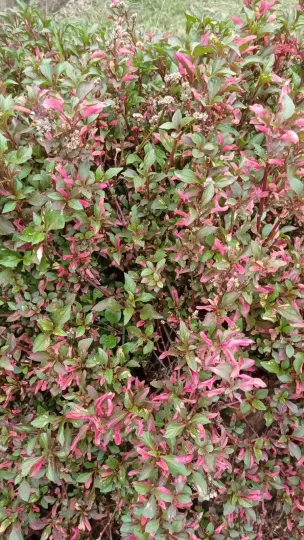
Alternanthera bettzickiana belongs to the Amaranthaceae family and is widely recognized for its vibrant, colorful foliage. While it can be perennial in tropical climates, it is typically treated as an annual bedding plant in temperate regions, where it is used to create intricate patterns in formal gardens.
Propagation is primarily achieved through stem cuttings. This vegetative method is highly efficient and ensures that the specific coloration and growth habits of the mother plant are perfectly preserved in the new generation of plants.
Cuttings should be taken during the active growing season. They root quickly when placed in a warm, moist, and well-draining growing medium, such as a mix of peat moss and perlite, under filtered light conditions.
Transplanting to the permanent location should only occur once all danger of frost has passed. As a heat-loving plant, it requires soil temperatures consistently above 15°C to thrive and establish a robust root system.
When used for mass planting or carpet bedding, it is essential to space the plants appropriately. A spacing of 10–15 centimeters is common to ensure quick coverage while allowing enough airflow between plants to prevent humidity-related issues.
Growing requirements
The plant thrives in full sun to partial shade. Higher levels of sunlight are crucial for developing the intense red, purple, and yellow pigments in the leaves; insufficient light will cause the plant to turn green and lose its ornamental appeal.
It requires rich, well-draining soil with a slightly acidic to neutral pH. Proper soil structure is vital; the plant does not tolerate heavy, compacted soils that remain waterlogged for extended periods, which leads to root suffocation.
Regular watering is necessary to maintain consistent soil moisture. During high temperatures, it is important to provide sufficient water, but one must ensure that the growing site has excellent drainage to avoid water stagnation.
Fertilization should be managed carefully. A balanced, water-soluble fertilizer applied periodically during the growing season supports healthy development, but high nitrogen levels should be avoided to prevent leggy, weak growth.
Maintenance pruning is a key part of its cultivation. The plant responds exceptionally well to shearing, which is why it is a staple in topiary and formal carpet bed designs where a specific height or geometric shape is required.
Main diseases and pests
The most common pests affecting this culture include spider mites and aphids. These insects tend to thrive in dry conditions, often becoming a problem in greenhouses or during dry summer spells when the plant is under stress.
Root rot is the most significant disease threat, often triggered by overwatering or poor drainage. Preventing this requires careful irrigation management and ensuring that containers or planting beds allow excess water to drain freely.
Powdery mildew may occur when air circulation is poor, particularly in damp or shaded environments. Keeping the foliage dry and maintaining adequate space between plants are the best preventative measures against fungal pathogens.
In case of pest infestations, biological or chemical control agents may be used. It is recommended to monitor the undersides of the leaves, as pests frequently congregate there before causing visible damage to the plant's aesthetic value.
Maintaining a clean garden environment is essential to reduce the overall disease pressure. Removing any decaying foliage or debris around the base of the plants will help manage moisture levels and discourage the spread of fungal infections.