
Alternanthera ficoidea
Alternanthera ficoidea (L.) P. Beauv.
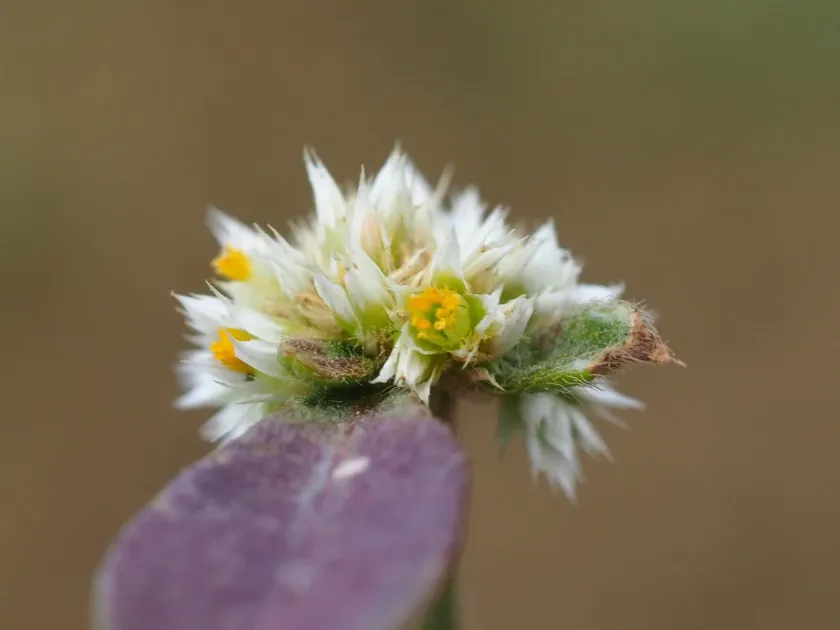
Description
Growing requirements
Alternanthera ficoidea belongs to the Amaranthaceae family and is recognized for its vibrant, ornamental foliage. While it acts as a perennial in tropical climates, it is often utilized as an annual ornamental plant in cooler regions.
Originating from tropical Central and South America, this plant thrives in warm, humid environments. It is widely used in landscape design for creating colorful borders, carpets, and container arrangements due to its distinct leaf pigmentation.
Soil requirements for this crop involve well-drained, fertile substrates with a slightly acidic to neutral pH. Proper drainage is essential to prevent root rot, as the plant cannot withstand waterlogged conditions for extended periods.
The plant is highly photophilous. Full sun to partial shade is required to maintain its intense coloration. In environments with insufficient light, the leaves tend to turn green, losing their characteristic red, purple, or bronze shades.
Regarding climate, the plant requires consistent warmth. It is highly sensitive to frost and cold drafts. The ideal growth temperature remains between 20 and 28 degrees Celsius, and development slows significantly below 15 degrees Celsius.
Main diseases and pests
Spider mites are the most common pests affecting this plant, especially when ambient humidity is low. Aphids and mealybugs can also infest the foliage, particularly in greenhouse or sheltered conditions.
Fungal diseases, primarily root rot and damping-off, represent the main threats if irrigation management is poor. These pathogens exploit overly wet soil and poor aeration to attack the root system.
Effective pest management involves regular monitoring and the use of appropriate acaricides or systemic insecticides when infestation levels exceed economic thresholds. Early detection is key to preserving the plant's aesthetic value.
To prevent fungal diseases, maintain proper spacing between plants to ensure adequate airflow. Avoid overhead irrigation during humid weather, as wet foliage is susceptible to powdery mildew outbreaks.
Cultural practices such as removing dead plant matter and maintaining optimal moisture levels significantly reduce the risk of disease. Sanitation remains the most effective strategy for maintaining a healthy stand.