
Sessile joyweed
Alternanthera sessilis (L.) R. Br. ex DC.
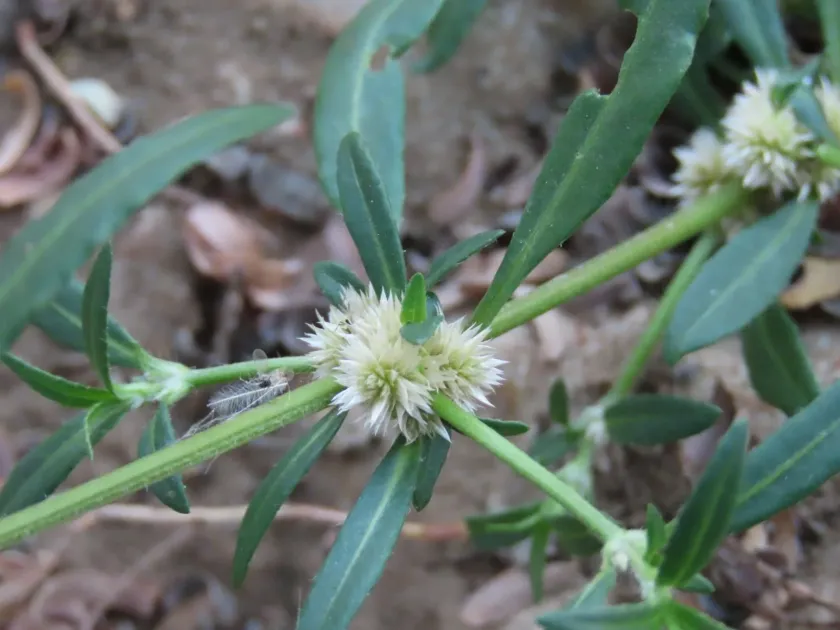
Description
Sowing dates
Sessile joyweed (Alternanthera sessilis) is a perennial herb of the Amaranthaceae family, widely grown as a leafy vegetable in tropical and subtropical regions. Sowing is best performed when soil temperatures are consistently above 20°C, ensuring rapid germination.
Seeds should be sown thinly in well-drained, fertile soil. Due to the small size of the seeds, they are covered only lightly with compost or soil. Consistent moisture must be maintained during the initial stages to prevent the seeds from drying out before emergence.
For commercial production, starting plants in trays as seedlings is recommended. Once the plants reach the 3-4 leaf stage, they are transplanted into the field. This method allows for better establishment and uniform density across the planting bed.
Spacing should be managed to ensure adequate airflow, which is critical for preventing fungal diseases in the dense foliage. Proper spacing also facilitates easier maintenance and harvesting of the leaves.
The crop cycle is relatively short, allowing for multiple sowings during the growing season. Fresh seeds are essential for high germination rates, as the viability of the seeds decreases significantly after several months of storage.
Growing requirements
This crop thrives in warm, humid climates and is highly sensitive to frost. It requires an average temperature between 25°C and 30°C to achieve optimal vegetative growth and leaf quality.
Soil requirements include high organic matter content and excellent water retention capacity. While the plant can tolerate various soil types, it performs best in neutral to slightly acidic soils with good drainage properties.
Irrigation is the most vital aspect of the cultivation process. Because the plant is native to moist habitats, it requires frequent watering to stay productive. Dry soil conditions will result in tougher, less palatable foliage.
Exposure to bright, indirect sunlight is preferred. In extreme tropical heat, light shading is often used to prevent leaf scorching and to maintain the tenderness of the stems and leaves, which are the main commercial part of the crop.
Nutrient management focuses on nitrogen, which promotes lush, green growth. Applying organic compost or a balanced liquid fertilizer periodically will sustain high levels of production over the entire harvesting period.
Yield
The economic value of Alternanthera sessilis lies in its edible leaves and tender stems, which are harvested for consumption. It is highly valued as a nutrient-dense green vegetable in traditional Asian diets.
Yield is maximized through frequent harvesting. By trimming the tips of the shoots, growers stimulate the plant to produce multiple side branches, significantly increasing the total biomass produced per plant.
Harvesting should be done early in the morning to ensure the produce remains crisp. Post-harvest, the greens should be cooled or kept in a shaded area to maintain their quality and shelf life, as they wilt rapidly.
Under optimal agronomic conditions, growers can expect harvest cycles every two to three weeks. Continuous maintenance and weed control are necessary to ensure the plants remain vigorous and continue to yield high-quality produce.
In addition to culinary uses, the plant is studied for its medicinal properties. The combination of high market demand and ease of regrowth makes this a profitable small-scale crop for local farmers.
Main diseases and pests
The main threats to sessile joyweed include excessive soil moisture leading to root rot and other fungal diseases. Proper field preparation and ensuring adequate surface drainage are key preventive measures.
Pests such as aphids and leaf-eating caterpillars can cause significant damage to the foliage. Regular scouting is recommended to detect infestations early and manage them before they spread across the crop.
Powdery mildew is a common issue in humid, poorly ventilated planting sites. Growers should focus on maintaining adequate space between plants to allow for better air circulation and to keep foliage dry.
Weed competition is particularly detrimental during the early growth phase. If the plants are not adequately shielded from weeds, their growth rate and overall yield will be severely impacted, leading to stunted plants.
While the plant is hardy, it is susceptible to damage from excessive drought stress, which can weaken the plants and make them more vulnerable to subsequent attacks by secondary pests and diseases.