
Alstroemeria haemantha
Alstroemeria haemantha
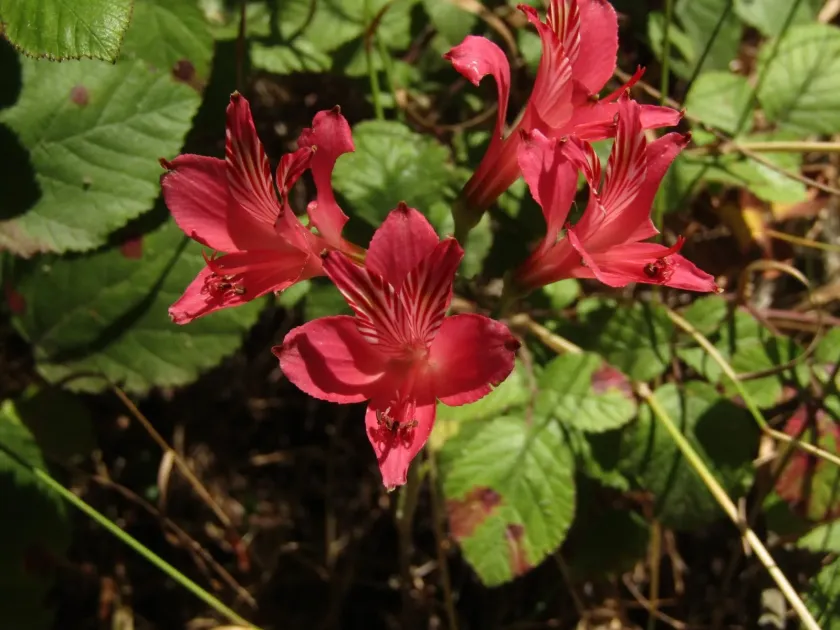
Description
Sowing dates
Sowing seeds of Alstroemeria haemantha requires careful preparation. Seeds benefit from cold stratification at temperatures of +2...+5 degrees Celsius for about a month, which significantly improves germination rates and seedling vigor.
Use a light, well-draining substrate rich in peat or perlite for sowing. Place the trays in a bright location with a stable temperature of +18...+20 degrees Celsius, maintaining consistent soil moisture without waterlogging.
Prick out the seedlings once they develop two or three true leaves. Exercise caution, as the root systems are delicate and susceptible to damage, which can stunt subsequent growth.
Transplanting into open ground or greenhouses should only occur after the risk of frost has passed, as young plants are sensitive to low temperatures. A gradual acclimatization process is recommended.
Vegetative propagation via rhizome division is a common alternative for commercial growers, as it preserves specific traits and results in faster blooming compared to the lengthy seed-growing process.
Growing requirements
Alstroemeria haemantha thrives in well-lit areas, though it requires partial shade during the hottest parts of the day in warmer climates to prevent leaf scorching and petal burn.
The crop requires fertile, slightly acidic to neutral soil with excellent drainage. Stagnant moisture in the root zone is extremely detrimental and often leads to root rot, the most frequent cause of failure.
Maintain an optimal growth temperature between +15 and +22 degrees Celsius. During the winter months in indoor facilities, keep temperatures above +10 degrees to allow the plant to enter a gentle dormancy.
Regular, moderate irrigation is essential. The soil should be kept consistently moist but never waterlogged; drying out the root zone can cause premature bud drop and stunted development.
Apply balanced fertilizers every two weeks during the active growing season. Phosphorus and potassium-rich formulas are preferred to promote strong flower stem development and vibrant color intensity.
Yield
Yield is primarily measured by the number of high-quality stems produced for the cut flower market. Under optimal greenhouse conditions, one square meter can produce between 20 to 40 stems per season.
Productivity increases as the plant matures, typically reaching peak levels in the second and third years after establishment. Proper spacing is crucial to ensure airflow and high-quality yield.
Stem length is a critical quality indicator. Well-nourished plants produce stems measuring 60–90 centimeters, which are highly valued in commercial floral arrangements.
To maximize continuous production, deadheading faded flowers is necessary. This prevents energy from being diverted into seed formation and encourages the plant to produce new flowering shoots.
With correct agronomic management, a plantation can remain productive for 5 to 8 years before it becomes necessary to divide the rhizomes or replace the stock.
Main diseases and pests
Fungal diseases, including Botrytis (grey mold) and various root rots, pose the greatest threat to Alstroemeria haemantha, especially in environments with high humidity and poor ventilation.
Pests such as spider mites, thrips, and aphids are common. They feed on plant sap, causing distorted foliage and reduced floral quality, which can make the crop unmarketable.
Integrated pest management, including regular crop scouting and the timely application of insecticides, is vital to keeping the plantation healthy throughout the growing season.
Disease control focuses on maintaining air circulation and the prophylactic use of fungicides. Proper hygiene, such as removing fallen leaves and debris, prevents the buildup of fungal spores.
Ensuring that the soil drainage is functioning properly is the most effective way to prevent root diseases from spreading across the planting area during damp periods.
Harvesting
Harvesting should be performed when the first two or three buds on the inflorescence have begun to open. This stage ensures the best balance of shelf life and immediate decorative appeal.
Always use sterile, sharp tools for harvesting to prevent the spread of pathogens. Stems are ideally pulled from the base of the rhizome rather than cut, which promotes healthier secondary regrowth.
Immediately place cut stems into clean water treated with professional flower preservatives to inhibit bacterial growth and ensure the stems remain hydrated during storage.
Cool chain management is critical. Storing cut Alstroemeria at +2...+5 degrees Celsius slows down metabolic processes and significantly extends the life of the flowers for transport.
Properly harvested and handled, Alstroemeria haemantha stems can retain their freshness for up to 14–20 days, making them a preferred choice for long-distance floral shipping.