
Brazilian joyweed
Alternanthera brasiliana (L.) Kuntze
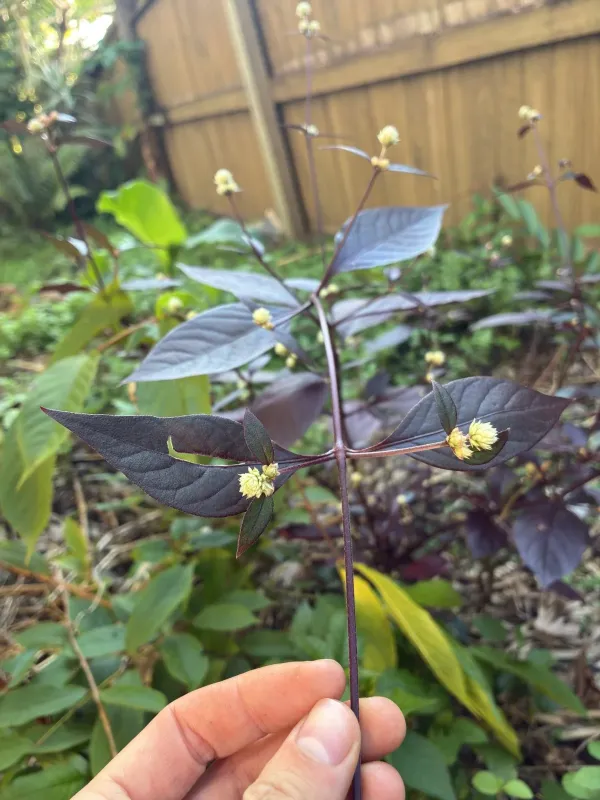
Description
Sowing dates
Brazilian joyweed (Alternanthera brasiliana) is a perennial herbaceous plant belonging to the Amaranthaceae family. It is widely recognized for its vibrant foliage and historical use in traditional medicine across its native range in South America.
Propagation is primarily achieved through stem cuttings, which root easily in moist, well-draining media. This method ensures that the morphological characteristics of the parent plant are maintained in the new generation.
Seeds can also be used for cultivation, although germination requires consistently warm temperatures, ideally between 22 and 25 degrees Celsius. Sowing is typically performed in early spring to take advantage of the growing season.
The substrate for young plants must be light, rich in organic matter, and possess excellent drainage properties to prevent the accumulation of excess moisture around the developing roots.
Establishing a regular spacing pattern is essential during transplantation to allow for proper foliage development and to facilitate air circulation, which reduces the potential for fungal growth.
Growing requirements
This species thrives under full sun exposure, which is necessary to maintain the intense purple or red coloration of its leaves. In shaded areas, the plant tends to lose its characteristic color and becomes leggy.
The plant prefers fertile soils with a slightly acidic to neutral pH. Soil compaction should be avoided at all costs, as the roots require adequate oxygen to sustain vigorous vegetative growth.
Brazilian joyweed is sensitive to cold temperatures and cannot survive frost. In temperate climates, it is often grown as an annual or overwintered in greenhouses to protect it from thermal stress.
Consistent soil moisture is preferred, though the plant is moderately tolerant of short dry spells once established. However, consistent irrigation is recommended for commercial yields of plant biomass.
Regular fertilization with a balanced NPK fertilizer supports the rapid production of leaves and stems. Applying micronutrients can further enhance the plant's health and its overall appearance.
Main diseases and pests
Common pests include spider mites and whiteflies, especially when the plant is grown in indoor conditions or greenhouses where air circulation might be limited and the humidity is low.
Fungal pathogens such as root rot can occur if the soil remains constantly waterlogged. Proper drainage and careful irrigation management are the most effective preventative measures against these issues.
Aphids can also occasionally infest the tips of young shoots. Regular monitoring and the application of insecticidal soaps or neem oil are usually sufficient to manage minor pest outbreaks.
Sanitation practices, such as removing dead or dying leaves, are crucial for preventing the spread of diseases. Keeping the growing area clean reduces the presence of dormant pathogens.
Integrated pest management strategies focusing on biological control can be used to ensure the safety of the plant if it is being harvested for potential medicinal or culinary uses.