
Caldesia
Caldesia
Caldesia is a genus of aquatic plants belonging to the family Alismataceae. These perennials are classified as hydrophytes, as they are specifically adapted to thrive in shallow wetland environments, ponds, and marshes.
What the section contains

Caldesia
The distribution of Caldesia spans across Europe, Asia, and Africa. They typically grow in environments where they can anchor their roots into nutrient-rich silty or sandy substrates under relatively stable water levels.
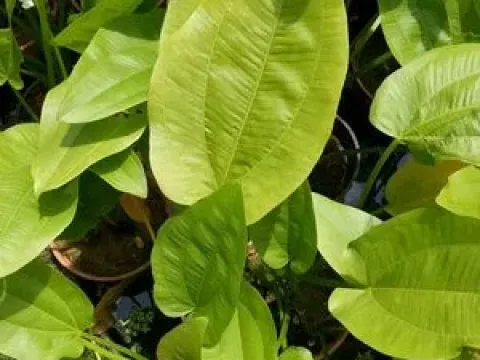
Botanically, the plant is distinguished by its basal leaves, which often feature long petioles and may grow either submerged or floating. Their delicate white flowers are arranged in panicles that rise above the surface of the water to facilitate pollination.
For successful cultivation, Caldesia requires consistent water depth and adequate sunlight. It is sensitive to rapid fluctuations in water temperature and quality, preferring clean, nutrient-stable environments that mimic natural stagnant waters.
In terms of human use, Caldesia is primarily utilized for aquatic landscaping and ecological restoration projects in decorative ponds, where it serves as a natural indicator of water quality.
The primary threat to Caldesia populations is habitat loss caused by the drainage of wetlands and human-induced changes to the hydrological regimes of freshwater ecosystems.
Water pollution, particularly the runoff of agricultural chemicals, poses a severe risk to the health of the plant, as it interferes with its delicate nutrient absorption processes.
Common aquatic pests, including various species of snails, can significantly damage the leaves, especially when the plant is already stressed by environmental changes.
Pathogenic fungi can cause severe damage during periods of low water levels or when the plant is subjected to poor aeration, leading to rapid tissue decay and wilting.
Invasive species often outcompete Caldesia for space and light, which makes consistent monitoring of the aquatic environment essential for the survival of established plant groups.