
Alchemilla heteropoda
Alchemilla heteropoda
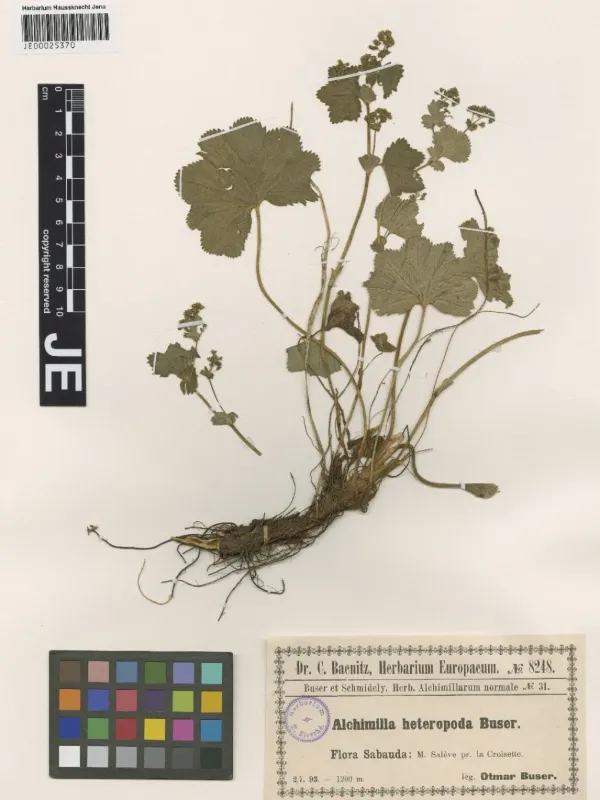
Description
Growing requirements
Alchemilla heteropoda is a perennial herbaceous plant belonging to the Rosaceae family. Native to the mountainous regions of Central Asia, it has adapted to harsh environmental conditions, demonstrating high resilience and adaptability.
The plant requires well-drained, fertile soil with a slightly acidic to neutral pH level. It thrives in cool climates, making it an excellent candidate for cultivation in regions with moderate temperatures and sufficient rainfall during the vegetative stage.
Botanically, it is characterized by its distinct kidney-shaped, lobed leaves which exhibit a velvety texture. These leaves are the primary part of the plant used in both traditional medicine and ecological applications.
Agricultural techniques focus on ensuring proper seed spacing and soil aeration. Because the plant is perennial, site selection must consider long-term exposure to sunlight, though it can tolerate partial shade in warmer latitudes.
Economically, Alchemilla heteropoda is valued for its high concentration of tannins and flavonoids. It serves not only as a pharmaceutical resource but also as a beneficial groundcover that contributes to soil health and biodiversity in agricultural landscapes.
Main diseases and pests
Downy mildew represents a significant fungal threat to the plant, particularly in conditions of high humidity. It affects the leaf tissue, leading to a rapid decline in the commercial value of the harvest.
Aphid infestations are a common issue for this species, particularly during the late spring. These pests cause the leaves to curl and stunt the overall growth of the plant, requiring timely intervention or biological control.
Rust diseases can spread quickly through a field if planting density is too high. Proper spacing is essential to ensure adequate airflow, which acts as a primary preventative measure against most fungal pathogens.
Root rot often occurs in compacted or poorly drained soils. Farmers must ensure that the planting site has sufficient slope or drainage infrastructure to prevent waterlogging, which is fatal for the plant's root system.
Weed management is crucial during the establishment phase. Competing vegetation can easily crowd out young seedlings, requiring manual weeding or mulching to ensure the crop has access to sufficient sunlight and micronutrients.