
Alocasia villeneuvei
Alocasia villeneuvei
Description
Growing requirements
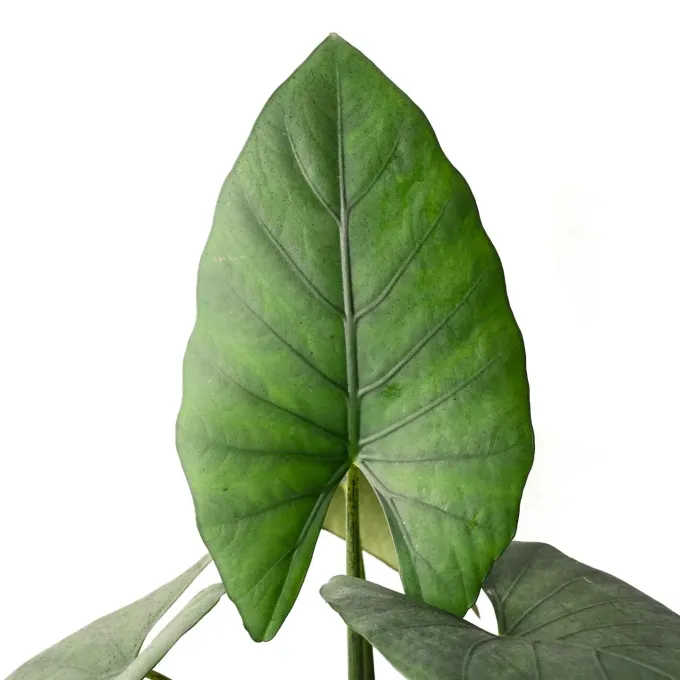
Alocasia villeneuvei is a distinct perennial species belonging to the Araceae family. Originating from the tropical rainforests of Southeast Asia, this plant is highly prized by collectors for its architectural foliage and unique botanical structure.
The plant thrives in environments that mimic its natural habitat, requiring high relative humidity, ideally above 60 percent. Maintaining stable temperatures between 22 and 28 degrees Celsius is essential to prevent dormancy or physical damage to the leaves.
A loose, well-draining potting medium is crucial for the health of Alocasia villeneuvei. The ideal substrate should consist of components like orchid bark, peat moss, and perlite to ensure optimal aeration for the root system and prevent compaction.
Bright, indirect light is necessary for healthy growth and leaf development. While the plant can tolerate lower light levels, it will grow significantly slower, and its variegated patterns or unique textures may become less pronounced.
As a specialized horticultural crop, its primary use is for indoor ornamental displays in greenhouses or climate-controlled botanical spaces, requiring precise water management and fertilization during the active growing season.
Main diseases and pests
Root rot is the most common physiological disorder caused by overwatering or using a medium with poor drainage, which deprives the roots of necessary oxygen.
Common pests such as spider mites, thrips, and mealybugs are frequently encountered in indoor environments, particularly when the ambient air is dry and ventilation is insufficient.
Preventative measures include regular inspection of the foliage, especially the undersides of leaves, and maintaining adequate air circulation throughout the growing area.
If an infestation occurs, it is recommended to apply insecticidal soap or neem oil to the affected areas while isolating the plant to prevent the spread to other collections.
- Use high-quality systemic fungicides at the first sign of fungal infection.
- Flush the soil occasionally to prevent salt buildup from fertilizers.