
Aloe baumii
Aloe baumii
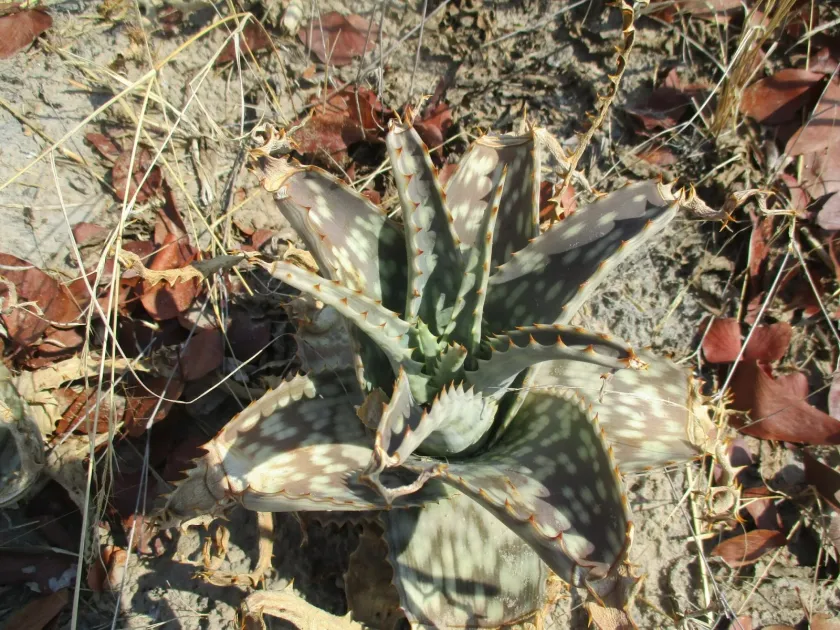
Description
Growing requirements
Aloe baumii is a member of the Asphodelaceae family, originating from the arid regions of Africa, specifically found in parts of Angola. This plant is known for its resilience and unique adaptation to dry environments.
Botanically, it forms compact rosettes of succulent, lanceolate leaves. These leaves are thick and often feature a waxy cuticle that serves as an effective barrier against excessive transpiration during high-heat periods.
The agricultural requirements for this species include porous, well-draining soil with a significant percentage of mineral components like sand or perlite to prevent root asphyxiation.
Light intensity is critical for the healthy growth of Aloe baumii. It thrives under bright, direct sunlight, which is necessary to maintain its compact habit and vibrant leaf coloration.
In terms of climate, it prefers a warm environment and is highly intolerant to frost. Proper ventilation is essential to mimic its native habitat and maintain the health of the leaf tissue.
Main diseases and pests
Root rot and stem rot are the primary threats to Aloe baumii, typically triggered by overwatering or poor soil drainage, which encourages fungal pathogen colonization.
Mealybugs are the most common pests, often hiding in the crevices of the rosette. They extract plant sap and can cause significant damage if not addressed promptly.
Spider mites may also affect the plant during low-humidity periods, causing yellowing or stippling of the leaf surfaces, which impairs photosynthetic efficiency.
Preventive measures include implementing a strict irrigation schedule and ensuring the plant is never left in standing water, which is the leading cause of mortality.
Regular monitoring of the foliage and the application of mild acaricides or insecticides can help mitigate pest outbreaks before they lead to severe plant decline.