
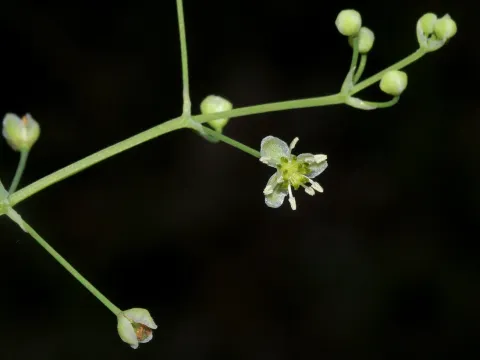
Burnatia
Burnatia
Burnatia is a genus of aquatic plants belonging to the Alismataceae family, known for its adaptation to wetland environments. These plants are essentially tropical hydrophytes, thriving in areas with seasonal flooding and nutrient-rich mud substrates.
What the section contains

Burnatia
The native distribution of Burnatia is centered in tropical Africa. The plants are naturally adapted to ephemeral water bodies and shallow basins, where they undergo rapid growth cycles during the rainy season to ensure reproduction before the water recedes.
Botanically, Burnatia exhibits specific traits such as rosettes of basal leaves and inflorescences designed to emerge above the water surface. This structure is an evolutionary advantage, allowing the plant to facilitate pollination in dense aquatic habitats.
Cultural requirements for Burnatia involve high solar intensity and stable, warm temperature ranges. Since the plants extract nutrients primarily through their roots in benthic sediments, the chemical quality of the substrate is a decisive factor in their successful development.
While Burnatia is not commonly grown as a traditional crop, it holds scientific significance in ecological studies. It serves as an indicator species for the health of tropical wetland ecosystems and contributes to the local biodiversity of marshland regions.
The primary threats to Burnatia populations are the degradation of wetland habitats, specifically through drainage projects and water table manipulation that destroys the necessary seasonal flooding conditions for its life cycle.
Invasive plant species pose a significant threat by outcompeting Burnatia for light and nutrients. These aggressive species often create thick mats on the water surface, preventing the emergence of Burnatia flowers and reducing reproductive success.
Pathogenic fungi affecting the Alismataceae family present a persistent challenge, particularly in water bodies with poor circulation where organic waste accumulates, providing a perfect medium for bacterial and fungal growth.
Insect pests, including various aquatic larvae and gastropods, can cause extensive damage to the photosynthetic tissues. These injuries often lead to secondary infections, further weakening the plant structure during critical growth periods.
Climate change and subsequent shifts in rainfall patterns jeopardize the future of Burnatia. Because the plant relies on specific hydrological pulses, even minor alterations in annual precipitation levels can prevent seed germination and population recovery.