
Alpine calamint
Acinos alpinus
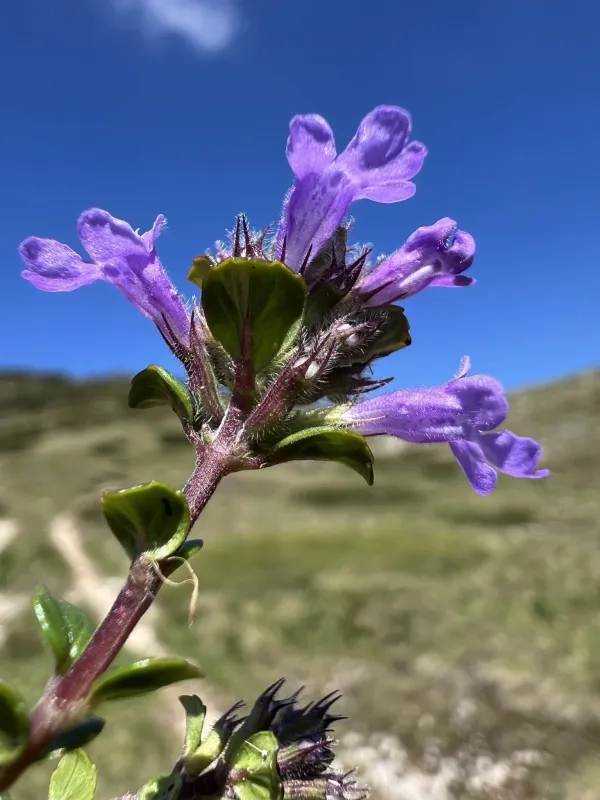
Description
Sowing dates
Sowing Alpine calamint seeds typically begins in early spring, specifically in March or April, using a seed tray method. To ensure successful germination, seeds require a period of stratification at cool temperatures for several weeks to break dormancy.
Seeds should be sown in a light, well-draining substrate composed primarily of peat and sharp sand. Given their small size, seeds require minimal coverage with soil, as they benefit from exposure to light during the initial stage of sprouting.
Maintaining consistent soil moisture is crucial until the first true leaves emerge. Once the seedlings are sufficiently developed, they are pricked out into individual pots to foster healthy root system development before final transplanting.
Outplanting into the garden or rockery occurs once the risk of severe night frost has passed. Planting density should be carefully managed, allowing approximately 20 to 30 centimeters of space between plants to prevent overcrowding.
For gardeners looking for faster results, propagation via stem cuttings or root division in late spring is a viable alternative to seeding, allowing for the propagation of high-quality specimens.
Growing requirements
Alpine calamint is a perennial herbaceous plant belonging to the Lamiaceae family. It is native to alpine regions and thrives in open, sunny locations where it can receive direct light for the majority of the day.
The ideal soil for this species is dry, rocky, or sandy, with a neutral to slightly alkaline pH. High fertility and moisture-retentive soils are detrimental, as they often lead to root rot and loss of vigor.
This plant is highly drought-tolerant and well-adapted to the sharp temperature fluctuations typical of its natural mountain habitat. Its resilience makes it an excellent choice for rock gardens and xeriscaping projects.
Irrigation should be minimal and restricted to periods of extreme dryness. Effective drainage is the single most important factor in the success of this plant; water must never be allowed to stagnate near the root collar.
Fertilization is rarely necessary. Applying excessive nutrients can negatively impact the plant's essential oil concentration and overall form, causing it to lose its compact, attractive habit.
Main diseases and pests
The most significant threat to Alpine calamint is fungal disease, particularly when grown in environments with poor ventilation or excessive atmospheric humidity. Root and crown rot are common consequences of waterlogged soil.
Pests are rarely a major issue for this plant, as its natural aromatic oils act as a deterrent. However, in poorly maintained or overly dense plantings, aphids may occasionally be observed on tender new growth.
Powdery mildew can sometimes appear if the plant is grown in cramped conditions that prevent adequate air movement. Ensuring appropriate plant spacing is the best preventative measure against this fungal development.
Slugs and snails may occasionally cause superficial damage to the leaves, particularly during damp weather. Placing a layer of decorative gravel around the base of the plant can serve as an effective physical barrier.
The key to maintaining a disease-free garden bed is to prioritize soil drainage and site selection, ensuring the plants receive plenty of sun and air, which keeps the foliage dry and healthy.
Harvesting
Harvesting for medicinal or culinary use is best performed during the peak of the flowering period. This is when the plant's essential oil content and bioactive compound concentration reach their maximum levels.
The aerial parts of the plant are harvested by cutting the flowering stems. It is important to leave enough foliage on the plant to support ongoing regrowth and health after the harvest session.
Drying the harvested material should occur in a shaded, well-ventilated location. Rapid drying in direct sunlight is discouraged, as it causes the rapid loss of volatile oils that provide the plant's unique aroma.
After drying, the material should be stored in airtight containers, preferably made of glass, and kept in a cool, dark place to preserve the chemical potency and aromatic profile of the herb.
Regular harvesting or deadheading of spent blossoms can help stimulate a second flush of flowers later in the season, prolonging the plant's period of utility and aesthetic value in the garden.