
Alpine bellflower
Campanula alpigena
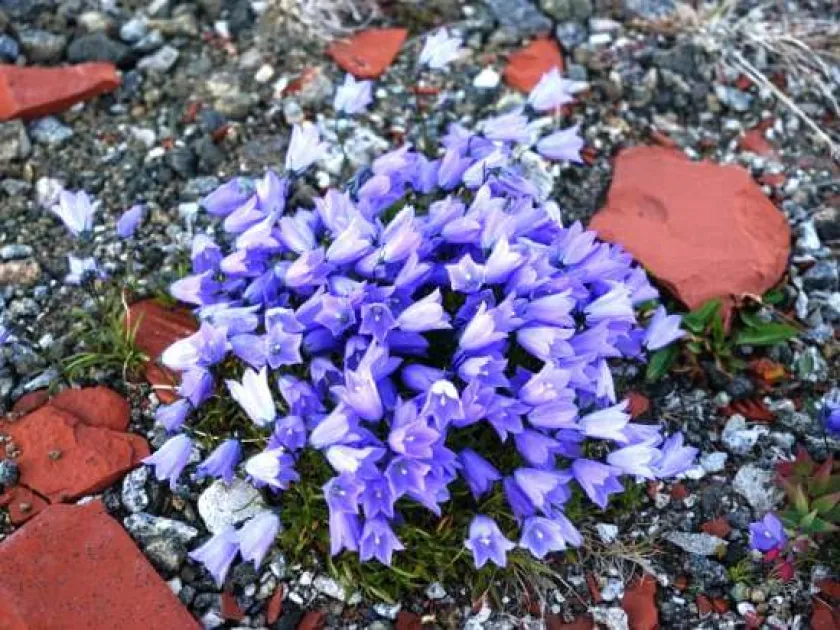
Description
Sowing dates
Sowing seeds of the Alpine bellflower is best carried out in early spring, specifically in March or April, using a well-draining seed-starting mix. Because the seeds are tiny and mountain-adapted, they often benefit from a period of cold stratification to break dormancy and ensure uniform germination.
When sowing in trays, seeds should be scattered on the surface and only lightly covered with a thin layer of fine grit or sand, as they require light to germinate effectively. Maintaining a consistent temperature of around 18–20 degrees Celsius is crucial during the initial stages.
Moisture control is paramount; the substrate must be kept damp but not waterlogged to prevent damping-off diseases. Using a spray bottle for gentle watering helps keep the seeds in place and prevents them from being buried too deep.
Seedlings should be pricked out when the first pair of true leaves emerges, allowing them space to develop a strong root system before being moved to their final outdoor location. A sunny window or a cold frame provides the best environment for early growth.
Hardening off the plants is a necessary step before full transplanting. By gradually introducing the seedlings to outdoor conditions over a week, you significantly increase their survival rate once they are moved to the rock garden or flower bed.
Growing requirements
The Alpine bellflower belongs to the Campanulaceae family and is specifically adapted to mountainous environments. This perennial plant thrives in harsh, high-altitude climates where the soil is lean and rapidly draining, making it a perfect fit for alpine rock gardens.
Regarding soil, this species demands excellent drainage; it will struggle and likely rot in heavy or clay-based soils. Mixing coarse sand, grit, or crushed stone into the planting area is essential to mimic the plant's natural scree-like habitat.
The plant prefers full sun to light shade, which allows it to maintain a compact, vigorous growth habit. In climates with extremely hot summers, some afternoon shade is beneficial to prevent the foliage from scorching and the soil from drying out too quickly.
Soil pH should remain near neutral, although the plant is tolerant of slightly alkaline conditions common in mountainous regions. Low to moderate fertility is preferred; excessive fertilization can lead to leggy, weak stems that lack the characteristic alpine robustness.
Watering requirements are moderate; while the plant appreciates consistent moisture during the active growing phase, it is highly sensitive to root saturation. During winter, the crown must remain dry to ensure the plant survives low temperatures without fungal damage.
Main diseases and pests
The primary threats to the Alpine bellflower are fungal pathogens, specifically those causing root rot and crown decay. These are almost always linked to poor drainage or prolonged exposure to excessive moisture in the root zone during the dormant season.
Slugs and snails are major pests, especially during wet springs when they can consume young foliage overnight. Protective measures such as surrounding plants with coarse gravel or using organic pest deterrents are often necessary to keep the foliage pristine.
Aphids can occasionally cluster on tender flower buds, stunting growth and reducing the ornamental value of the bloom. Regular monitoring and, if necessary, targeted use of insecticidal soaps can manage these infestations without harming beneficial insects.
Powdery mildew may occur if air circulation is insufficient, particularly in dense plantings or areas with high humidity. Ensuring proper spacing between individual plants is the most effective way to prevent the buildup of airborne spores.
Overall plant health is best maintained by prompt removal of dead or decaying foliage, which reduces the surface area for pathogen colonization. By providing a clean, well-draining environment, you significantly decrease the likelihood of disease outbreaks.