
Broadleaf arrowhead
Sagittaria latifolia
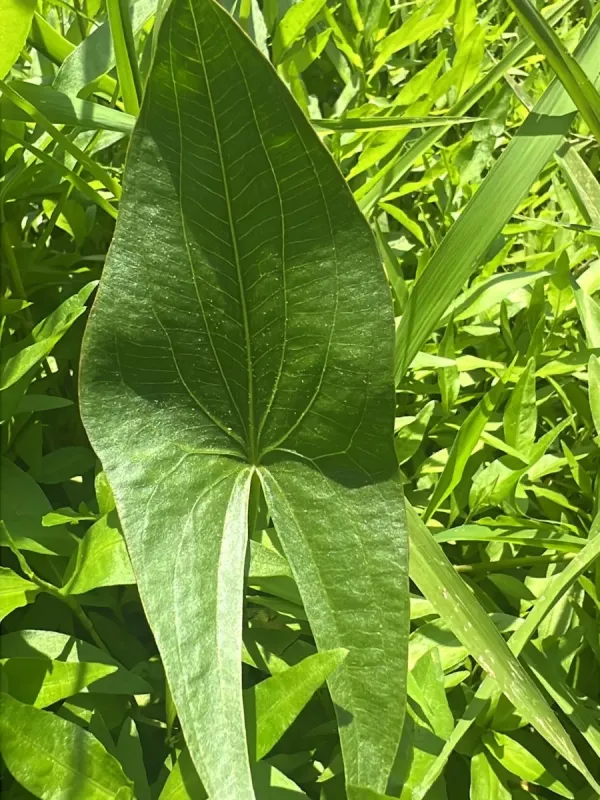
Description
Sowing dates
Broadleaf arrowhead (Sagittaria latifolia) is typically planted in the spring, once water and soil temperatures reach at least 12-15 degrees Celsius.
Vegetative propagation using tubers is the standard agricultural method for establishing a new crop in flooded fields or ponds.
Commercial production requires controlled water levels, typically maintained between 10 to 30 centimeters deep for optimal growth.
Spacing is a critical factor, and tubers should be planted at intervals that allow the root system to expand without intense competition.
Seed propagation is possible but rarely preferred in large-scale farming due to the extended developmental cycle and stratification needs.
Growing requirements
As a member of the Alismataceae family, the plant is a true hydrophyte and relies on constant water supply to flourish.
It thrives in full sunlight, which is necessary to maximize the energy synthesis required for significant tuber development.
Nutrient-rich, silty soils with a neutral pH level provide the ideal substrate for this aquatic crop to produce high yields.
While the plant can tolerate slight fluctuations in water levels, prolonged drought conditions are detrimental to the root system and plant survival.
A climate with a long, warm growing season ensures the plant has sufficient time to store starch in its tubers before the onset of autumn.
Yield
The edible tubers are the primary economic yield of the crop, valued for their high carbohydrate content and similarity to potatoes.
Under managed conditions, a yield of 5 to 10 tons per hectare is achievable, depending on soil fertility and plant density.
Growth intensifies during the latter half of the summer when the plant diverts nutrients from foliage to the developing underground stolons.
Water quality and nutrient management in the aquatic environment are the most significant factors influencing the total weight of the harvest.
Consistent monitoring of nutrient levels in the water column can significantly boost the production of larger, higher-quality tubers.
Main diseases and pests
Pests such as aquatic insect larvae and certain snails can cause significant damage to the foliage and stems during the early growth stages.
Stagnant water conditions can promote fungal infections, which may lead to the rot of the plant’s base and underground components.
Invasive aquatic weeds present a serious competitive threat, often outcompeting the crop for sunlight and available nutrients.
The use of chemical herbicides is restricted due to the sensitivity of aquatic ecosystems, necessitating the use of mechanical or biological controls.
Frequent site inspections are essential for identifying the early onset of disease outbreaks and implementing effective management protocols.
Harvesting
Harvesting usually occurs in the autumn after the above-ground foliage turns yellow or dies back, signaling peak starch accumulation.
The tubers are extracted from the bottom sediment using specialized machinery or manual tools like digging forks in shallow ponds.
Once harvested, the tubers must be thoroughly cleaned of silt and sorted by size to meet market specifications for fresh produce.
Storage requires cool, moist conditions to prevent the tubers from dehydrating, which maintains their culinary and structural integrity.
Processed tubers, including those dried into flour, provide a shelf-stable product that is increasingly popular in gluten-free culinary markets.