
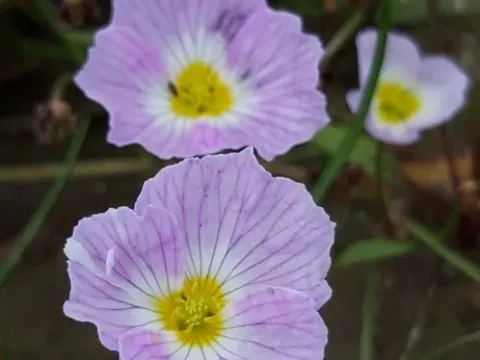
Baldellia
Baldellia
Baldellia is a genus of aquatic plants belonging to the Alismataceae family. These plants are typically found in shallow water or on the muddy banks of freshwater ponds, demonstrating high adaptability to fluctuating water levels.
What the section contains


Baldellia
Native to Europe and the Mediterranean region, Baldellia thrives in well-lit areas where solar exposure is consistent. The plant typically inhabits ecosystems with organic-rich silty or sandy substrates that provide necessary nutrients for its growth.
Botanically, the plant is characterized by a basal rosette of leaves and upright floral stems. It exhibits leaf plasticity, meaning the leaf shape can transition from lanceolate to heart-shaped depending on whether the plant is submerged or emerged.
Regarding cultivation requirements, Baldellia needs a stable hydration regime. It performs best in shallow water depths ranging from 0 to 15 centimeters, requiring neutral to slightly acidic soil conditions to ensure optimal development.
In terms of usage, the plant is primarily employed in ornamental pond landscaping and bioremediation projects. Its ability to thrive in damp conditions makes it an excellent choice for ecological edge planting in managed aquatic gardens.
Key threats to Baldellia include hydrological instability, such as rapid water level drops, and agricultural run-off that introduces excess nitrates into the ecosystem. Such pollution can lead to oxygen depletion, harming the plant's root system.
Common diseases involve fungal infections that target leaves, typically triggered by poor water circulation or excessive accumulation of organic debris. Regular maintenance of pond hygiene is essential to prevent the spread of these pathogens.
Pests such as aquatic snails can cause mechanical damage to the foliage. To mitigate this, practitioners often encourage the presence of natural predators or perform careful manual inspection during the active growing season.
Agricultural management requires periodic thinning of populations to prevent overcrowding. When plants become too dense, nutrient availability decreases, which can negatively impact the overall health and flowering performance of the colony.
To maintain plant vitality, it is crucial to ensure the sediment does not become compacted or anaerobic. Periodically refreshing the upper layers of the pond substrate helps maintain the appropriate gas exchange required for the roots to flourish.