
Yeatesia viridiflora
Yeatesia viridiflora
Description
Sowing dates
Propagation of Yeatesia viridiflora is best achieved through seeds that have undergone stratification to break dormancy. Sowing should occur in early spring using a sterile, well-draining seed-starting mix.
Seeds should be covered very lightly with fine soil, as they require a stable environment to germinate. Maintaining a consistent temperature between 20°C and 22°C is crucial for a high success rate.
Once seedlings emerge, they should be provided with ample indirect light to prevent legginess. Gradual acclimation to lower temperatures and higher airflow should be implemented before full transplanting.
Spacing is vital during the final planting stage. Maintaining an interval of 30 to 45 centimeters allows each individual plant sufficient space for root expansion and foliage growth.
For large-scale cultivation, propagation via division of established clumps can be more efficient than sowing seeds, as it ensures genetic consistency and reduces the time to maturity.
Growing requirements
Yeatesia viridiflora is a perennial herbaceous plant belonging to the Acanthaceae family. It is native to the southeastern United States, where it thrives in shaded, moist environments such as woodland margins and foothills.
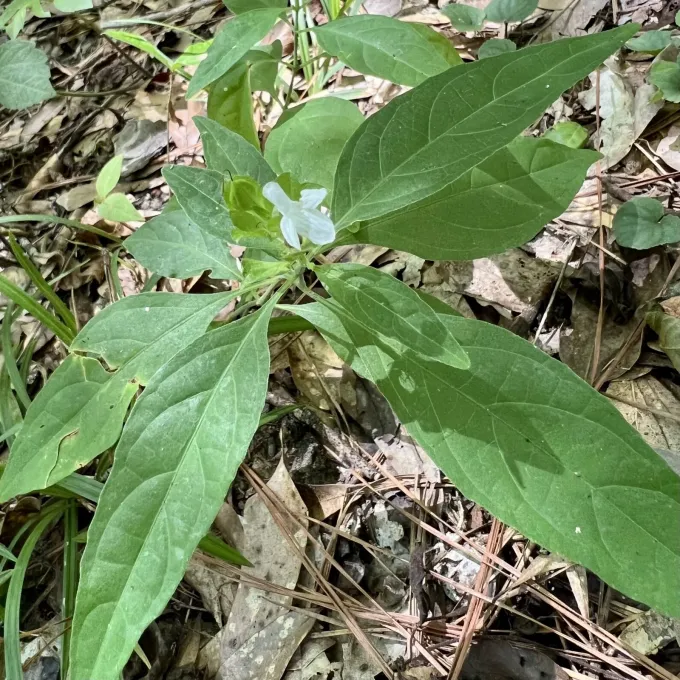
Botanically, the plant is characterized by erect stems, opposite leaves, and distinctive small greenish-yellow flowers. It possesses a well-adapted root system that allows it to flourish in the forest understory, often in competition with other ground-cover plants.
The cultural requirements demand soil that is rich in organic matter and maintains consistent moisture levels. Good drainage is essential, as the plant is susceptible to root rot if water stagnation occurs.
Climate-wise, it prefers mild conditions and requires protection from direct, intense sunlight, which can cause leaf scorch. Providing a filtered light environment is key to maintaining the plant's health and vigorous development.
In terms of humidity, this species thrives in moderate to high-humidity climates. In controlled environments, growers should aim to provide consistent atmospheric moisture to support the plant's physiological functions.
Main diseases and pests
The primary threats to Yeatesia viridiflora include fungal pathogens such as Pythium and Phytophthora. These are often triggered by improper irrigation practices that leave the soil saturated for extended periods.
Insect pests, specifically aphids and spider mites, can cause significant damage during the active growing season. These pests typically congregate on the undersides of leaves and at the tips of developing stems.
Effective management strategies include integrated pest management (IPM) practices, such as the introduction of beneficial predatory insects or the application of organic soap-based sprays.
Foliar diseases, such as bacterial spots, can occur if foliage remains wet for too long. Improving air circulation around the plants is one of the most effective ways to mitigate this risk.
Regular monitoring and physical removal of affected plant parts are recommended to prevent the spread of infections throughout the cultivation area.