
Mackaya bella
Mackaya bella
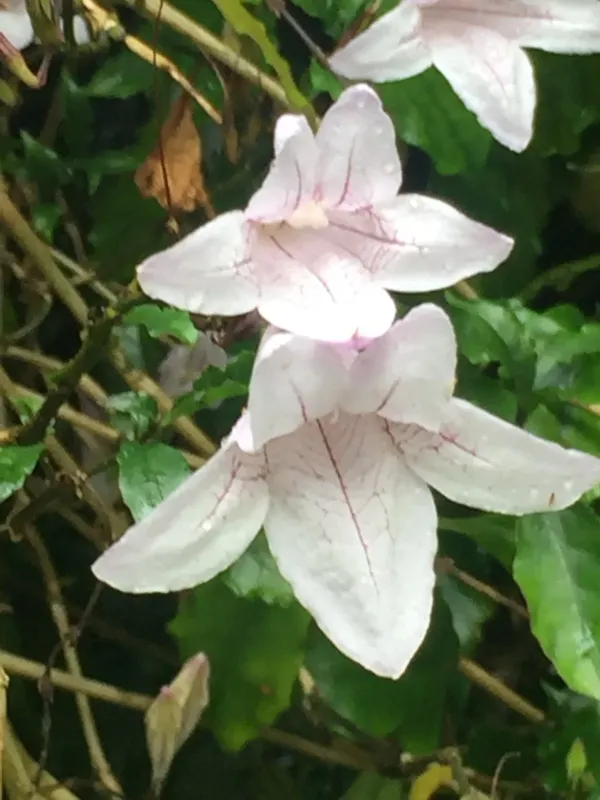
Description
Growing requirements
Mackaya bella, commonly known as the forest bell bush, is an evergreen ornamental shrub belonging to the Acanthaceae family. This species is native to the coastal forests and riverine habitats of Southern Africa, where it thrives in shaded environments.
The plant features distinctively large, glossy, dark green leaves with wavy margins and elegant, trumpet-shaped white flowers characterized by delicate purple veining. It is highly valued in horticulture for its ability to brighten up shaded landscape areas.
This crop requires a warm, humid climate and is sensitive to frost, necessitating cultivation in protected zones or greenhouses in cooler regions. It prefers dappled shade, as direct sunlight can easily scorch its foliage during peak heat hours.
The ideal soil for Mackaya bella is rich in organic matter, well-drained, and slightly acidic to neutral. Consistent moisture levels are vital; however, irrigation must be managed carefully to avoid waterlogging the roots, which can lead to rapid decline.
In landscaping, it is used primarily as a decorative specimen plant or for creating informal hedge rows in forest gardens. Because of its specific environmental requirements, it is often treated as a container plant that can be moved indoors during winter months.
Main diseases and pests
The main pest threats to Mackaya bella include aphids, mealybugs, and spider mites, which are particularly prevalent in greenhouse settings. Management strategies involve regular monitoring of the underside of leaves and the application of mild horticultural soaps.
Fungal issues, such as root rot and powdery mildew, may occur due to poor air circulation or overwatering. Maintaining a balanced environment with proper spacing and adequate ventilation is essential for preventing the spread of these pathogens.