
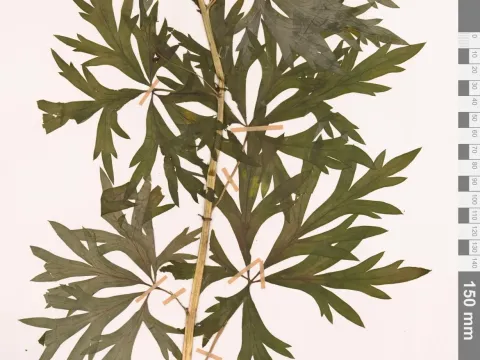
Okhotsk monkshood
Aconitum ochotense
Okhotsk monkshood (Aconitum ochotense) belongs to the Ranunculaceae family. It is a perennial herbaceous plant native to the Far East, specifically regions surrounding the Sea of Okhotsk, Sakhalin, and Japan, where it thrives in alpine and subalpine environments.
What the section contains
Okhotsk monkshood
For successful cultivation, the crop requires fertile, well-drained soil rich in organic matter. While it prefers consistent soil moisture, standing water must be avoided to prevent root rot, which is a common physiological failure in improperly prepared fields.
The plant is highly frost-resistant and well-adapted to harsh northern climates. It prefers partial shade rather than direct, scorching sunlight, which can cause leaf burn during the peak of summer heat in more temperate cultivation areas.
Botanically, it features a thick rootstock and stiff, upright stems that can reach over a meter in height. Its dark green, deeply palmate leaves create a dense foliage structure that is characteristic of the species.
The primary use of Aconitum ochotense is in the pharmaceutical industry due to its high concentration of alkaloids. It is also increasingly recognized as a ornamental plant, though its high toxicity mandates careful management in commercial agriculture.
The crop is vulnerable to various fungal infections, with powdery mildew being the most prevalent. This usually occurs when air circulation is poor or humidity levels remain high for extended periods, especially in densely planted areas.
Root rot is considered the most significant threat to the plant's health. It is primarily caused by poor soil drainage and lack of aeration, leading to the decay of the rhizome and ultimately resulting in plant death.
Common pests include aphids and leaf beetles, which feed on the foliage and weaken the plant. Significant infestations can stunt growth and interfere with the plant's ability to store essential nutrients in its roots for the winter season.
Effective pest management involves integrated crop protection strategies, such as mechanical weeding and the implementation of proper crop rotation to break the life cycles of soil-borne pathogens.
Agrotechnical maintenance should prioritize soil health and aeration. Regular monitoring is essential to detect early signs of stress or infestation, ensuring that interventions are applied before the crop reaches critical phenological stages.