
Oxygraphis
Oxygraphis
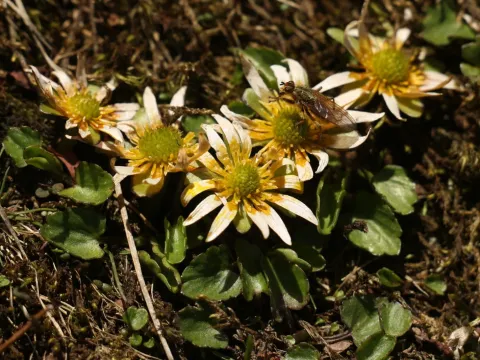
Oxygraphis is a genus of perennial herbaceous plants belonging to the Ranunculaceae family. These plants are true alpine specialists, adapted to the extreme environmental conditions of high-altitude mountain ranges, particularly in Central and Eastern Asia.
What the section contains


Oxygraphis
In their native habitat, Oxygraphis species thrive in cold, moist environments such as glacial margins, stream banks, and rocky slopes. They are physically structured to withstand high UV radiation, strong winds, and the brief growing seasons characteristic of high altitudes.
Botanically, the genus is characterized by basal rosettes of succulent-like leaves and solitary, often yellow flowers. Their root systems are typically fibrous or short-rhizomatous, enabling them to anchor firmly in mineral-rich, stony, or gravelly soils common in mountain screes.
Cultivation requirements for Oxygraphis are stringent, mirroring their wild alpine environment. Success depends on providing well-draining, cool substrates, high light intensity, and consistent moisture without waterlogging. They are generally considered challenging for casual gardeners.
The economic and practical utility of Oxygraphis is largely ornamental and research-oriented. They are highly prized by rock garden enthusiasts and botanical institutions for their beauty and ecological rarity, serving as indicators of alpine ecosystem health.
The primary threat to Oxygraphis in cultivation is the susceptibility to root rot, caused by poor drainage and stagnant moisture. Fungal pathogens are highly aggressive towards these alpine plants when temperatures rise beyond their physiological tolerance limits.
Pests such as slugs and snails represent a constant danger to the foliage during the early stages of the growing season. Additionally, soil-borne insects or nematodes can compromise the root system, necessitating careful monitoring and preventative soil management in greenhouse or rock garden settings.