
Olympic columbine
Aquilegia olympica
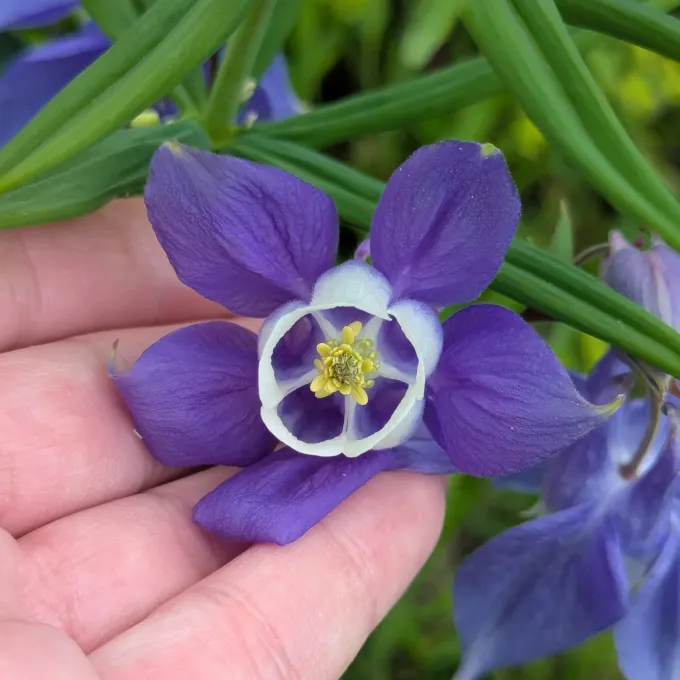
Description
Sowing dates
Sowing seeds of Olympic columbine is most effective when done in late autumn, allowing the seeds to undergo natural stratification through the winter months.
If spring sowing is preferred, it is crucial to refrigerate the seeds for at least 4 to 6 weeks before planting to break dormancy and ensure uniform germination.
Seeds should be sown shallowly in well-draining soil trays, as they require a certain amount of light to germinate effectively and should not be buried deeply.
Once the seedlings develop their first true leaves, they should be transplanted into individual pots to encourage stronger root development before outdoor planting.
Plants are moved to their permanent garden beds in late spring, spacing them at least 30–40 centimeters apart to prevent overcrowding and improve airflow.
Growing requirements
Olympic columbine thrives best in partial shade locations, where it is shielded from the intense heat of direct mid-day sun, which can cause leaf scorch.
The ideal soil for this species is rich in organic matter, moist, yet well-drained, as the plant is sensitive to waterlogged conditions that lead to root rot.
Consistent moisture levels should be maintained throughout the growing season, particularly during the blooming period when the plant has high water demand.
This perennial species is highly cold-hardy, originally native to the mountain regions of the Caucasus, making it well-adapted to temperate climate gardens.
Soil pH should ideally be neutral or slightly acidic, which facilitates the optimal uptake of micronutrients necessary for the plant's structural development.
Main diseases and pests
Powdery mildew is a common fungal threat to Olympic columbine, appearing as a white, dusty layer on leaves, often prompted by poor air circulation.
Root rot and crown rot can develop if the soil remains excessively wet for long periods, especially during humid summer weather, causing the plant to collapse.
Aphids and spider mites are typical insect pests that cluster on tender new growth, significantly weakening the plant and damaging its overall aesthetic appeal.
Leaf miners cause damage by tunneling through the leaf tissue, leaving visible trails that reduce the photosynthetic capacity of the plant's foliage.
Regular maintenance, including the removal of dead or infected plant parts and the application of suitable pesticides when necessary, is essential for control.