
Otton's Columbine
Aquilegia ottonis
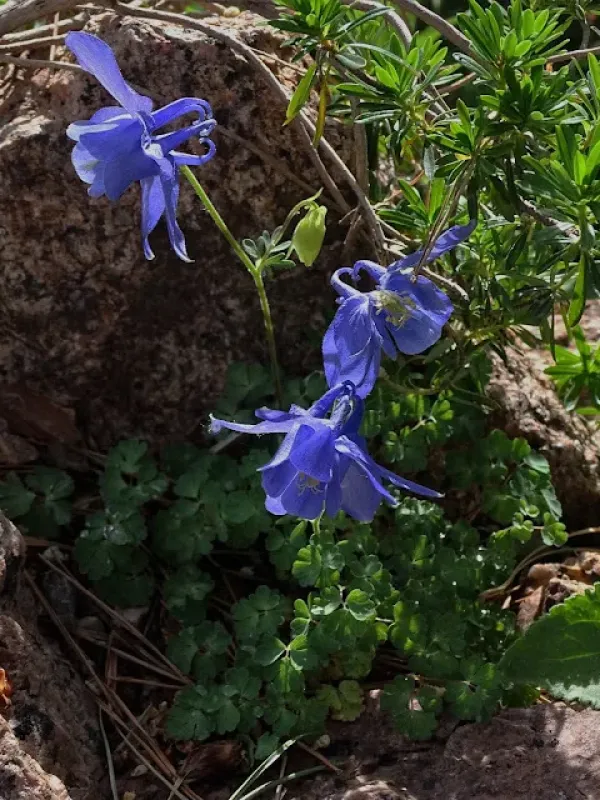
Description
Sowing dates
Seeds of Otton's Columbine are typically sown in late autumn in open ground or from March to April in greenhouses. For successful germination, the seeds require a period of stratification; therefore, during spring sowing, seed trays should be kept in cold conditions for about 3–4 weeks.
The sowing depth should not exceed 0.5–1 centimeter, as the seeds require light to germinate. The potting substrate must be light, well-draining, and nutrient-rich to support early seedling growth.
When sowing directly into the open ground, the soil surface should be leveled and kept moist. Maintaining an optimal distance of 30–40 centimeters between individual plants is necessary to ensure adequate airflow and prevent overcrowding.
Seedlings typically emerge unevenly over a period of 2 to 4 weeks. Once 2–3 true leaves have developed, the seedlings should be pricked out or thinned if they were sown directly into the flower bed.
During the first year, young plants focus on developing their root system and a rosette of basal leaves. Flowering generally occurs in the second year of vegetation.
Growing requirements
Otton's Columbine is a member of the Ranunculaceae family, preferring moderately moist, loose, and fertile soils with a neutral or slightly acidic pH. The crop does not tolerate waterlogging in the root zone, making proper drainage an essential requirement for the site.
This species is characterized by high ecological plasticity, although it displays its best ornamental traits when planted in semi-shaded areas. Direct sunlight throughout the day may cause the flowers to become smaller and shorten their blooming period.
The plant is sufficiently frost-hardy and well-adapted to temperate climates. In regions with harsh, snowless winters, light mulching of the root collar with organic materials is recommended to prevent damage from freezing temperatures.
During dry spells, the plant requires regular watering. Moisture deficit in the soil negatively impacts the duration of the flowering period and the overall habit of the bush.
To maintain soil fertility during the growing season, the application of balanced mineral fertilizers is common, although an excess of nitrogen should be avoided as it stimulates excessive foliage growth at the expense of flower production.
Main diseases and pests
The primary pests affecting Otton's Columbine include aphids, spider mites, and nematodes. To combat these, systemic insecticides and acaricides are applied during periods of significant pest activity.
Among fungal diseases, powdery mildew, rust, and various forms of root rot are the most dangerous. These infections often spread rapidly under high humidity conditions and in dense, poorly ventilated plantings.
Preventative measures include practicing crop rotation and ensuring adequate air circulation around the plants. Sanitary pruning of infected plant parts is effective in stopping the spread of fungal pathogens at an early stage.
Rust manifests as orange pustules on the undersides of the leaves, eventually leading to premature desiccation of the green mass. Copper-based fungicide treatments are the standard approach for management.
If signs of root rot appear, it is critical to reduce watering frequency and apply targeted fungicide treatments to the root zone, as this disease can quickly lead to the loss of mature plants.