
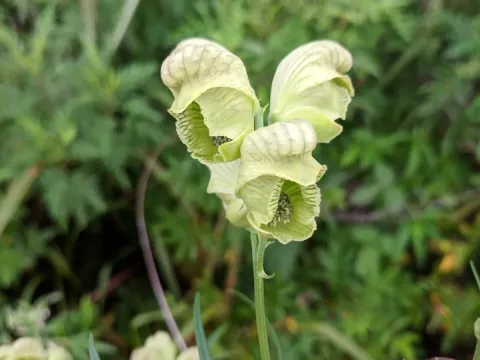
Korean aconite
Aconitum coreanum
Seeds of Aconitum coreanum require a cold stratification period of several months to achieve satisfactory germination rates in field conditions.
What the section contains
Korean aconite
Sowing is typically performed in late autumn, allowing the seeds to undergo natural overwintering in the soil for spring emergence.
For indoor propagation, seeds should be kept at low temperatures (around +5 Celsius) for 90 days before moving them to a warmer environment.
The seeds are sown at a shallow depth of approximately 1 cm, ensuring that the growing medium remains moist but not waterlogged throughout the process.
Once seedlings have developed two sets of true leaves, they should be transplanted into larger containers or permanent locations to ensure proper spacing.
Korean aconite is a member of the Ranunculaceae family and thrives in well-drained, fertile soils enriched with organic matter.
While the plant tolerates partial shade, it performs best in locations that receive adequate indirect sunlight during the peak of the growing season.
Consistent moisture is necessary for optimal development, yet farmers must prevent water stagnation, which can lead to root damage.
The species is known for its cold hardiness, making it suitable for cultivation in regions with harsh winters and variable spring climates.
Regular maintenance, including weeding and soil aeration, is essential to promote the growth of strong and healthy root systems.
Powdery mildew is a significant fungal threat, especially in areas with high humidity and insufficient air circulation between individual plants.
Root rot, often caused by poor drainage or overwatering, is a primary reason for plant failure in commercial cultivation settings.
Common pests such as aphids and spider mites can infest the foliage, leading to stunted growth and weakened plant immunity.
Effective management involves monitoring plant health and applying integrated pest management strategies to minimize chemical usage.
Preventative measures against soil-borne pathogens include maintaining proper crop rotation cycles and utilizing high-quality, sterilized soil mixes.
The harvesting of Aconitum coreanum roots occurs during the dormancy period in late autumn after the aerial parts have withered.
Root tubers are carefully extracted from the soil, washed to remove all debris, and inspected for any signs of disease or damage.
The drying process is conducted in a controlled environment with temperatures not exceeding 50 degrees to prevent the degradation of medicinal compounds.
Safety is the top priority during harvesting because Korean aconite is highly toxic; gloves and protective clothing must be worn at all times.
Processed material should be stored in secure, labeled containers away from food products or common areas to avoid accidental ingestion.