
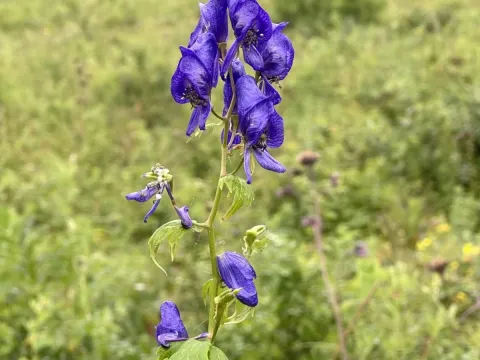
Chinese aconite
Aconitum chinense
Sowing seeds of Chinese aconite is primarily performed in late autumn as an outdoor winter sowing, because the seeds require a long period of cold stratification to break dormancy.
What the section contains
Chinese aconite
For spring sowing, seeds must be subjected to artificial chilling in a refrigerator at 0–5 degrees Celsius for several months to ensure a decent germination rate.
Seeds are placed at a depth of 1–2 centimeters with spacing of 30 centimeters between rows to allow sufficient room for root development and crown spread.
Transplanting seedlings or dividing mature rootstocks is ideally done in early spring or early autumn, which provides the plant with the best conditions for establishment.
Given the highly toxic nature of the plant, all sowing activities must be performed with appropriate safety precautions, including wearing gloves and avoiding skin contact with sap.
Chinese aconite requires fertile, moisture-retentive, and well-draining loamy soils to prevent the stagnation of water, which is detrimental to the plant's health.
The plant thrives in partial shade conditions, as direct exposure to harsh afternoon sun can lead to leaf scorching and reduce the plant's overall vigor.
As a member of the Ranunculaceae family, it is cold-hardy and can withstand significant frost, making it suitable for cultivation in temperate climate zones.
Consistent moisture is essential during the active growing season; therefore, regular irrigation should be practiced, especially during periods of low rainfall.
Incorporating organic matter such as well-rotted compost into the soil promotes a healthy root structure and provides essential nutrients for sustained growth.
Powdery mildew is a significant fungal threat to Aconitum chinense, often developing in conditions of poor air circulation and high atmospheric humidity.
Root rot is a common issue caused by waterlogged soil, which leads to the decay of the tuberous roots and eventual death of the entire plant.
Aphids and spider mites are frequent pests that infest the leaves and buds, causing stunted growth and potentially spreading viral infections between plants.
Integrated pest management strategies are recommended, focusing on maintaining plant health and early detection to minimize the need for chemical interventions.
Good sanitation practices, such as clearing debris from the plot at the end of the season, significantly reduce the risk of overwintering pathogens.
The harvest of roots for pharmaceutical or medicinal purposes typically takes place at the end of the growing cycle when the foliage begins to senesce and yellow.
Harvested roots must be thoroughly cleaned of soil and debris, washed, and dried promptly in a well-ventilated area at temperatures not exceeding 60 degrees Celsius.
Due to the presence of potent toxic alkaloids, the processed material must be handled with extreme care and stored in clearly labeled, secure containers.
The plant is traditionally used in medicinal applications, but only after strict industrial processing to convert toxic compounds into safe, therapeutic derivatives.
Proper harvest management ensures high-quality yield for subsequent pharmacological use while maintaining safety standards for those handling the plant material.