
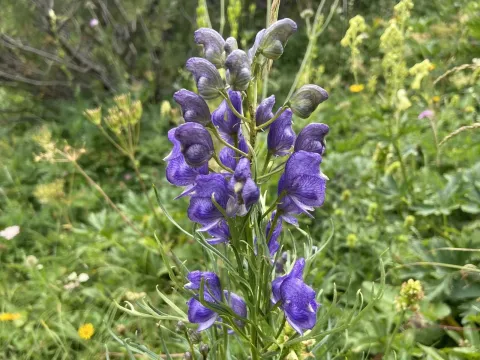
Narrow-leaved monkshood
Aconitum angustifolium
Narrow-leaved monkshood (Latin Aconitum angustifolium) is a perennial herbaceous plant belonging to the Ranunculaceae family. It is natively adapted to mountain environments, characterized by cool temperatures and distinct seasonal changes, making it a robust crop for specific geographic zones.
What the section contains
Narrow-leaved monkshood
The crop thrives in nutrient-dense, well-drained loamy soils. It requires optimal aeration of the soil to prevent root suffocation. Acidic to neutral pH levels are preferred, and heavy clay soils should be amended with organic matter to improve permeability and drainage characteristics.
Climate requirements for successful cultivation include a preference for temperate conditions. While the plant is hardy and survives severe winters, it requires adequate soil moisture during the spring and summer active growth stages to ensure the proper development of its tuberous root systems.
Agrotechnical practices involve careful site preparation and management. Sowing or planting should be done at adequate spacing to ensure good air circulation, which helps in preventing fungal diseases common in dense foliage clusters.
Regular maintenance includes soil cultivation to remove weeds that compete for nutrients and water. Proper fertilization schedules focusing on potash and phosphorus help strengthen the plant tissues and improve overall resistance to environmental stresses throughout the season.
The primary disease affecting Aconitum angustifolium is powdery mildew. This fungal infection creates a white, dusty layer on leaves, which significantly impacts the plant's ability to synthesize nutrients effectively, requiring immediate intervention with sulfur-based fungicides.
Root rot represents a critical threat, usually stemming from over-saturation of the soil or poor drainage. Once established, it can decimate entire rows of the crop, necessitating the removal of infected plants and soil treatment to prevent further spread of pathogens.
Pests such as aphids and spider mites are frequent invaders of the plant. They weaken the host by extracting sap and can serve as vectors for viral diseases, making regular scouting and the use of targeted insecticides essential for crop health.
Leaf-feeding beetles can cause significant damage to the plant structure, leading to premature senescence of the foliage. Manual removal or appropriate biological control agents are often used in small-scale cultivation to keep pest populations at bay.
Effective management of these threats involves strict adherence to phytosanitary measures, including the disposal of infected plant material and ensuring that only disease-free planting stock is utilized in subsequent growing cycles.