
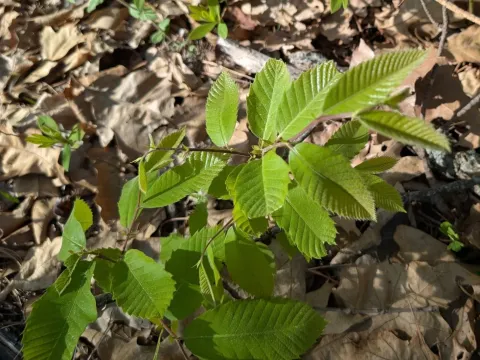
Ozark chinquapin
Castanea ozarkensis Ashe
Sowing of the Ozark chinquapin seeds is most effective when done in the autumn, allowing the seeds to undergo natural stratification in the outdoor soil.
What the section contains
Ozark chinquapin
Seeds are recalcitrant and lose their viability quickly if allowed to dry out, so immediate planting or cold, moist storage is essential for germination.
Planting depth should be maintained between 3 and 5 centimeters to protect the seed from rodents while allowing the sprout to emerge efficiently.
For spring sowing, seeds must be kept in damp sand or peat at temperatures between +1 and +5 degrees Celsius for at least 60 to 90 days before planting.
Optimal density for nurseries involves spacing seeds at least 15–20 centimeters apart to prevent competition before the seedlings are transplanted to their permanent site.
The Ozark chinquapin thrives in well-drained, acidic to neutral soils that provide sufficient nutrient content and prevent root hypoxia.
As a sun-loving species, it requires full exposure to sunlight to develop a robust canopy and ensure consistent annual nut production.
While adapted to its native plateau environment, the tree requires adequate soil moisture levels throughout the growing season to prevent drought-related stress.
The species prefers sites with good air circulation and protection from severe winter winds, which can cause frost damage to tender young shoots.
Soil management should focus on maintaining organic matter levels, which promotes beneficial mycorrhizal fungal associations crucial for nutrient uptake.
The most significant threat to the Ozark chinquapin is the chestnut blight, caused by Cryphonectria parasitica, which historically decimated populations of native chestnut species.
The weevil Curculio sayi is a major pest that lays eggs inside developing nuts, often destroying the entire harvest of a tree if left unmanaged.
Gall wasps can cause significant deformity in leaf tissue and twigs, potentially weakening the overall health of the specimen and reducing fruit yield.
Leaf spot pathogens can occur during humid summers, necessitating the removal of fallen debris to minimize the spread of fungal spores.
Integrated pest management strategies should include regular inspections of the bark and fruit to detect infections early and perform necessary sanitation.