
Spanish oak
Quercus hispanica
Description
Growing requirements
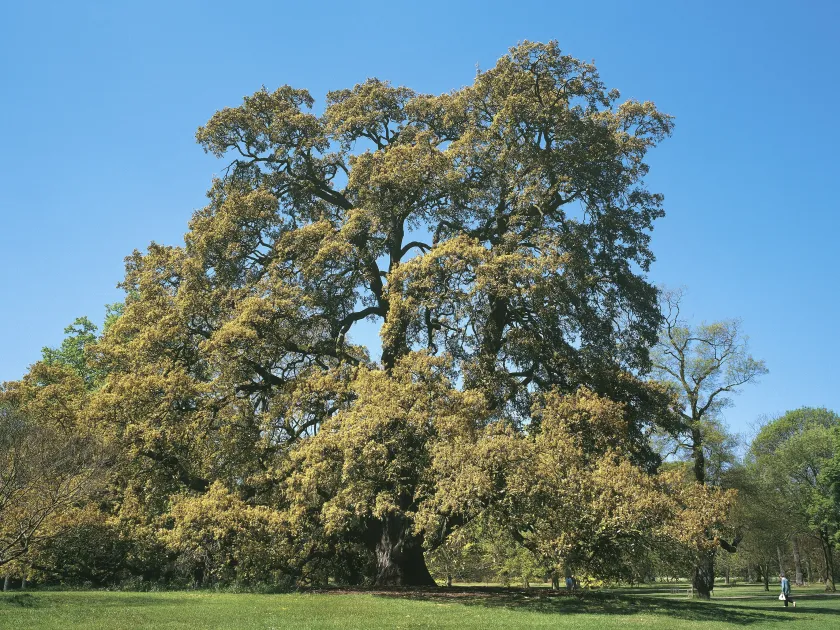
Spanish oak (Quercus hispanica) is a distinct species belonging to the Fagaceae family, widely recognized as a natural hybrid between cork oak and Turkish oak. This tree is known for its architectural beauty and adaptability to temperate maritime climates.
The tree thrives in regions that experience moderate winters, as extreme frost can damage its foliage and young shoots. It prefers full sun exposure to maintain its dense canopy structure, though partial shade may be tolerated in warmer southern latitudes.
Cultivation success heavily depends on the quality of the soil, which should be deep, fertile, and well-drained. The species is sensitive to waterlogged conditions, making site selection with adequate natural or artificial drainage essential for long-term health.
Standard horticultural practices for Quercus hispanica involve consistent irrigation during the establishment phase and annual nutrient supplementation. Maintaining a layer of organic mulch around the root zone helps regulate soil moisture levels throughout the growing season.
In terms of land use, the Spanish oak is highly valued in the landscape industry. Its robust growth habit and ornamental leaf structure make it an excellent choice for parkland restoration, urban greening, and residential garden design.
Main diseases and pests
The species is susceptible to various defoliating insects, including oak leaf rollers, which can significantly impact the tree's health and aesthetic appeal if populations are left unchecked.
Fungal pathogens such as powdery mildew are common in environments with poor air circulation or high humidity, often requiring corrective pruning to improve light and airflow within the crown.
Root rot caused by Phytophthora species represents a major risk, especially in heavy or poorly drained soils, which can lead to rapid tree decline if proper agricultural sanitation is not implemented.
Effective management includes integrated pest control strategies, such as using pheromone traps and applying protective coatings to wounds caused by pruning or accidental machinery contact.
Routine site inspections and the removal of deadwood are critical steps in preventing the spread of secondary pests like wood-boring beetles that target already stressed trees.