
Turkey oak
Quercus laevis
Description
Growing requirements
The Turkey oak (Quercus laevis), a member of the Fagaceae family, is a deciduous tree native to the coastal plains of the southeastern United States. It is a highly specialized species that thrives in dry, nutrient-poor sandy soils where other oak species struggle to survive.
This tree is remarkably drought-tolerant, making it an excellent candidate for reforestation in arid or sandy environments. Its root system is deeply adapted to extract moisture from impoverished soils, which is a key botanical advantage.
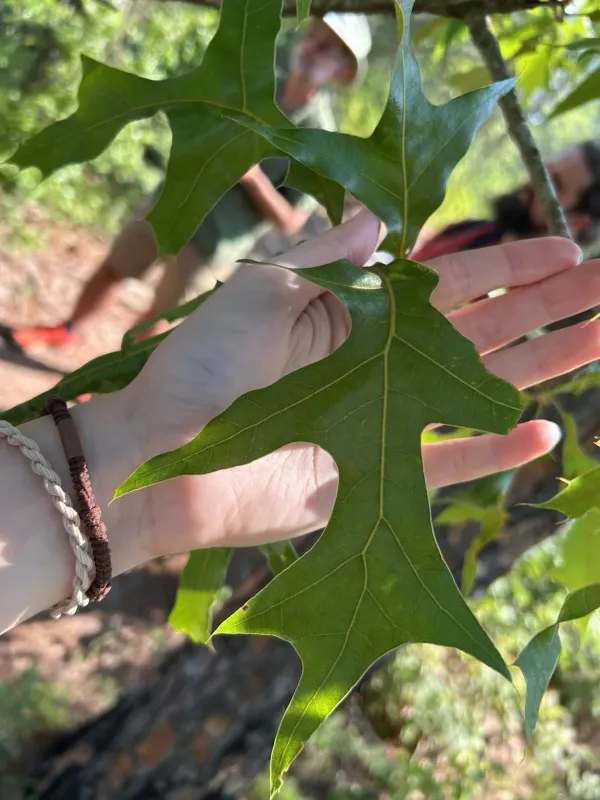
Morphologically, the Turkey oak is distinguished by its leaves, which feature deep, irregular lobes that turn a brilliant red or orange during the autumn months. It generally grows to a moderate height, often appearing as a small to medium-sized tree.
In terms of habitat, this species is a staple of fire-adapted ecosystems. Its ability to withstand periodic low-intensity fires is one of its most critical evolutionary traits, allowing it to maintain dominance in specific forest landscapes.
For cultivation, site selection is paramount. The tree requires full sun and excellent soil drainage. In an agroforestry context, it is best utilized for stabilizing sandy slopes or enhancing soil quality in dry, infertile regions.
Main diseases and pests
The most significant pathological threat to the Turkey oak is oak wilt, a fungal disease caused by Ceratocystis fagacearum. This disease disrupts the tree's water-conducting vessels and can be fatal to mature stands.
Insect pests, particularly the oak acorn weevil, pose a major challenge by destroying seed crops. Monitoring acorn production is essential if the tree is being grown for nursery propagation or forest regeneration.
Soil-borne pathogens resulting from excessive moisture and poor drainage can lead to root rot. While the species is hardy, it is highly sensitive to the waterlogging of its root zone, which limits its planting potential in clay-heavy soils.
Wood-boring insects may attack stressed trees. Maintaining tree vigor through proper spacing and avoiding mechanical injury to the bark are primary preventative measures for ensuring long-term health.
Environmental stress, such as prolonged soil compaction or extreme humidity, can weaken the tree's natural immune response. Integrated pest management strategies should focus on maintaining site suitability to keep the trees robust against potential infestations.