
Turner's Oak
Quercus turneri
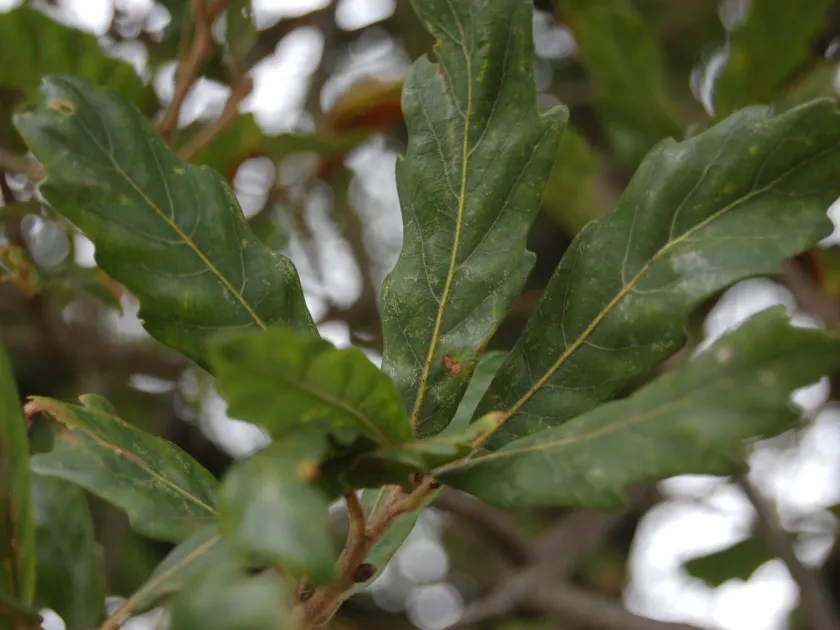
Description
Growing requirements
Turner's Oak (Quercus × turneri) is a distinctive hybrid belonging to the Fagaceae family. It is a result of cross-breeding between the English oak and the Holm oak, which results in a semi-evergreen tree highly valued for its elegant, dense foliage.
This tree thrives in deep, fertile, and well-drained soils. It performs best in neutral to slightly acidic pH conditions. Adequate soil depth is crucial for the development of a robust root system that supports the tree's long-term growth and structural stability.
Climatic preferences for this oak include locations with consistent moisture and protection from harsh, drying winds. While the tree shows good adaptability to moderate climates, younger specimens require additional care during severe winter frosts to protect their bark and root systems.
Cultivation practices involve regular monitoring of moisture levels, particularly during summer droughts. Mulching around the base of the tree helps retain soil humidity and suppress weeds that could compete with the tree for nutrients during the early stages of its development.
In landscaping, this species is used as a focal point in large gardens and parks. Its ability to retain leaves well into the winter months provides significant aesthetic value, making it a desirable choice for landscape architects aiming for year-round interest.
Main diseases and pests
Common pests affecting this oak include various species of leaf rollers and oak borers. These insects can damage tender shoots and leaves, hindering the overall growth vigor if left unchecked by integrated pest management practices.
Powdery mildew is a prevalent fungal disease that typically appears during humid weather. It forms a white fungal layer on the leaf surface, which can interfere with the photosynthetic process and reduce the tree's vitality if not treated with appropriate fungicides.
Anthracnose can also affect the foliage, resulting in necrotic spots and premature leaf drop. Good sanitation, such as removing fallen leaves and pruning affected branches, is essential to limit the spread of the pathogen within the tree's canopy.
Root rot is often a consequence of poor drainage or waterlogging at the planting site. It is critical to ensure that the site has optimal drainage characteristics before planting to avoid the proliferation of soil-borne fungi that attack the roots.
Maintaining a high level of tree health is the best defense against threats. Regular fertilization, correct pruning techniques, and monitoring for early signs of infection ensure the tree remains resilient throughout its lifespan in a horticultural setting.