
Chinese chestnut
Castanea mollissima Bl.
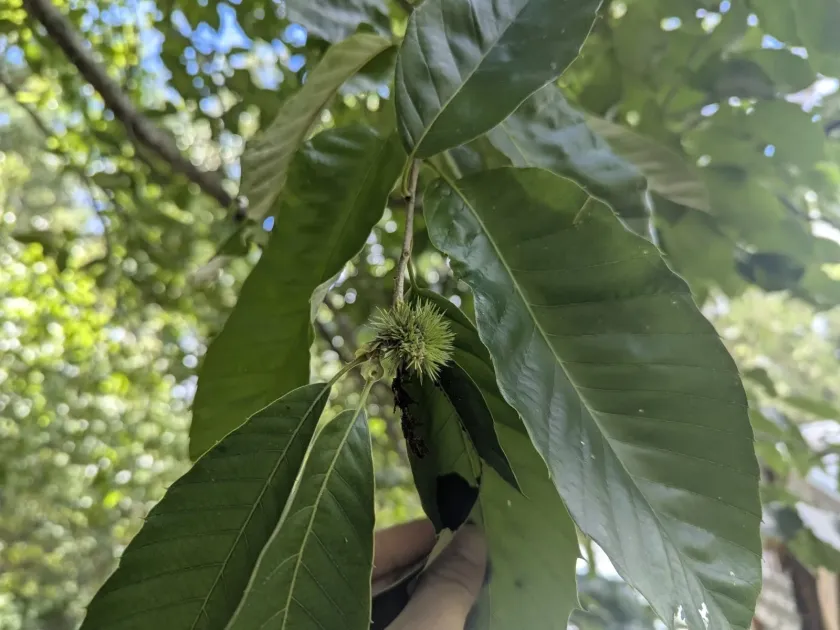
Description
Sowing dates
The propagation of Chinese chestnut is typically performed using stratified seeds or high-quality nursery-grown seedlings to ensure specific varietal characteristics.
Seeds require a period of cold stratification for 2 to 3 months at temperatures ranging from 0 to 5 °C before they are ready to be planted in spring.
For commercial orchards, planting 1 to 2-year-old grafted seedlings is the preferred method, as it significantly reduces the time until the first productive harvest.
Orchards should be laid out with adequate spacing, typically 6 to 8 meters between trees, to allow for full canopy development and efficient sunlight penetration.
Proper soil preparation, including incorporating organic matter and ensuring good drainage, is critical for establishing a strong root system in the initial growth phase.
Growing requirements
Chinese chestnut (Castanea mollissima) is a species in the Fagaceae family, highly valued for its natural resistance to chestnut blight compared to other species.
The tree thrives in well-drained, slightly acidic to neutral sandy loam or loamy soils and performs poorly in heavy clay or waterlogged conditions.
Full sun is essential for optimal growth and high nut yields, making south-facing slopes or open, sunlit areas the ideal location for an orchard establishment.
This species is moderately cold-hardy, capable of surviving winter temperatures down to -25 °C, though it requires a temperate climate with enough chill hours.
Regular agricultural practices include mulching to retain moisture, weed management in the root zone, and balanced fertilization to promote vigorous tree growth.
Yield
Productivity levels depend on the planting method; seedlings generally start producing nuts in 6 to 8 years, while grafted trees begin yielding in as early as 3 to 4 years.
Mature trees are capable of producing substantial harvests, ranging from 20 to 50 kilograms of nuts per tree depending on the tree's age and site conditions.
The annual harvest cycle aligns with autumn, as the burrs naturally open to drop the nuts, which are then collected from the ground beneath the tree canopy.
Chinese chestnuts are highly versatile, utilized in various food products ranging from roasted snacks to processed flour, which is a staple in many culinary traditions.
Beyond nut production, the timber is appreciated for its durability and resistance to decay, making it a valuable byproduct of established chestnut plantations.
Main diseases and pests
While the Chinese chestnut is recognized for its resistance to chestnut blight (Cryphonectria parasitica), it is not completely immune and still requires monitoring.
Pests such as the chestnut weevil and gall wasp can pose significant threats to nut quality, necessitating integrated pest management strategies for effective control.
Sanitation practices, including the removal of dead or diseased limbs and clearing fallen leaf litter, are vital for maintaining a healthy and disease-free orchard environment.
Proactive management of tree health, including proper pruning and balanced nutrition, builds resistance against potential fungal infections and environmental stresses.
Early detection and quick response to pest outbreaks are essential to prevent heavy losses and maintain the economic viability of the agricultural operation.
Harvesting
The harvesting window typically occurs in September and October, signaled by the brown color of the mature nuts and the natural splitting of the spiky burrs.
Post-harvest management involves collecting the nuts promptly to prevent quality deterioration, followed by careful cleaning and sorting for market readiness.
Proper curing and drying of the nuts are necessary to reduce moisture levels, which prevents mold development and preserves the culinary quality of the kernel.
Stored chestnuts should be kept in cool, ventilated conditions at temperatures near 0 to 2 °C to maintain freshness and prevent the nuts from drying out too rapidly.
Efficient handling and storage protocols ensure that the final product reaches the consumer in the best condition, maximizing the overall profitability of the harvest.