
Valley oak
Quercus lobata
Description
Growing requirements
Valley oak (Quercus lobata) is a large deciduous tree belonging to the Beech family (Fagaceae). Native to California, it is recognized as one of the largest North American oak species, characterized by its majestic structure and significant ecological importance.
The culture thrives in deep, fertile soils, particularly alluvial ones found in river valleys. Proper soil drainage is critical to prevent root rot, although the species is remarkably drought-tolerant once it has established a deep root system.
It requires a Mediterranean-like climate, characterized by mild, wet winters and warm, dry summers. The species shows high resistance to heat stress, making it an excellent candidate for regions with similar climate profiles, provided it has access to groundwater.
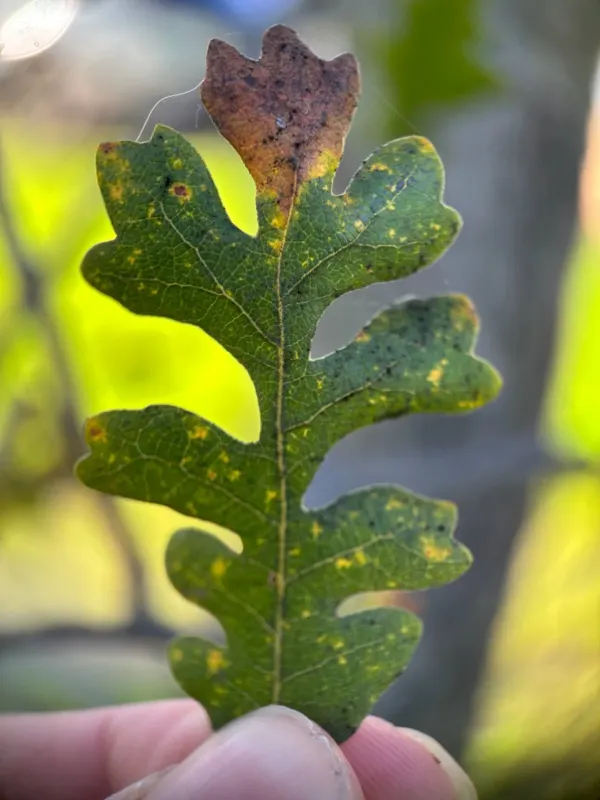
Botanically, it features a wide, spreading canopy and distinctive lobed leaves. The tree requires significant space to develop, and its growth rate is relatively fast for an oak species during its juvenile phase if moisture conditions are optimal.
Valley oak has historical and potential agricultural significance as a source of acorns, which are edible after leaching. Currently, its primary uses include reforestation, wildlife habitat restoration, and ornamental landscaping in large estates.
Main diseases and pests
The most severe biological threat to the species is Sudden Oak Death, caused by the pathogen Phytophthora ramorum, which creates lethal cankers on the trunk and stems of the tree.
Insect pests, specifically acorn weevils, pose a major risk to reproductive success by boring into the acorns, which drastically reduces the viability of the seeds for nursery propagation.
Gall wasps are common inhabitants of these trees, inducing the formation of various galls on leaves and twigs. While rarely lethal, heavy infestation can reduce the photosynthetic efficiency of the tree.
Powdery mildew represents a common fungal threat to young saplings, especially in nurseries where air circulation is restricted and relative humidity levels are elevated.
Effective management involves proactive monitoring for signs of stress or decay, maintaining optimal plant spacing, and ensuring that no infected wood or leaf litter remains near healthy specimens.