
Southern live oak (Quercus austrina)
Quercus austrina
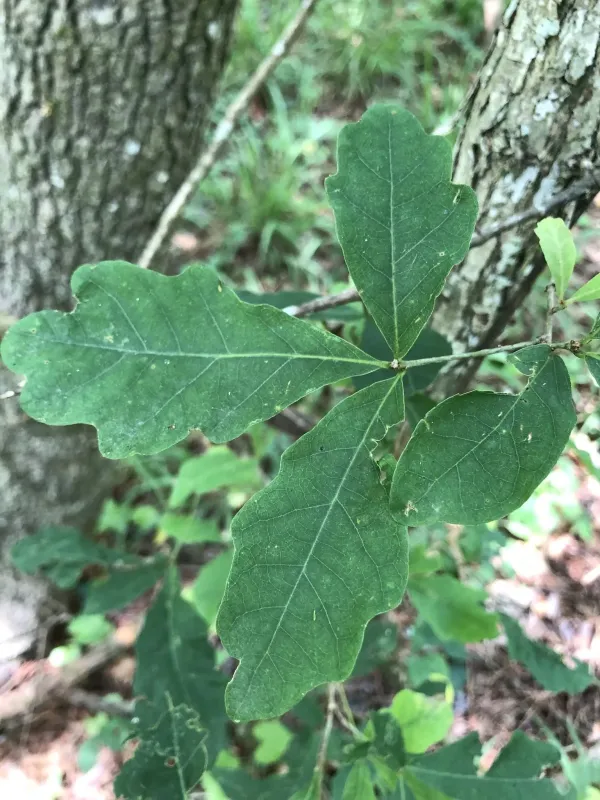
Description
Sowing dates
Sowing acorns of the Southern live oak (Quercus austrina) should be performed in the autumn immediately after harvesting to ensure natural stratification in the soil during winter.
If planting is delayed until spring, seeds must be stored in a cool, moist substrate at temperatures near 0–2°C to prevent the embryo from drying out.
The planting depth typically ranges from 3 to 5 centimeters, depending on the soil texture; lighter sandy soils require deeper planting to protect the acorn.
The optimal planting scheme for forestry plots involves row spacing of about 2–3 meters, with intervals between individual trees ranging from 0.5 to 1 meter.
Site selection must account for the future space requirements of the tree, as the Southern live oak is a long-lived species that requires significant room for crown development.
Growing requirements
The Southern live oak belongs to the Fagaceae family and prefers well-drained, fertile loamy soils with a neutral or slightly acidic pH level.
This species requires substantial sunlight for optimal growth; therefore, planting sites should avoid heavy shading by other canopy trees during the initial years.
It is a heat-loving species typical of subtropical and moderately warm climate zones, which limits its range in regions experiencing harsh, freezing winters.
Water requirements are moderate, but young saplings require supplemental irrigation during prolonged drought periods to ensure successful root establishment.
Success depends heavily on the absence of stagnant groundwater, as waterlogged soil conditions frequently lead to root rot and premature plant mortality.
Yield
The economic value of the Southern live oak is primarily derived from its high-quality timber, which is known for its density, strength, and rot resistance.
Stand productivity is measured by the volume of timber produced per unit area, which is maximized through proper silvicultural thinning and regular maintenance.
The tree exhibits a steady growth rate in its early years, eventually forming massive trunks that are highly prized in the furniture and construction industries.
Beyond timber production, the tree holds significant ornamental value, making it a popular choice for landscape design, public parks, and estate avenues.
The ecological contribution of the culture includes significant carbon sequestration and the promotion of local biodiversity, benefiting surrounding agricultural ecosystems.
Main diseases and pests
Key health threats to the Southern live oak include pathogenic fungi such as powdery mildew, which manifests as a white, powdery coating on the foliage.
Phytophagous pests, including various oak leaf rollers and loopers, pose a serious risk by causing widespread defoliation and reducing photosynthetic efficiency.
Root rots caused by Armillaria species can affect both young and mature trees, particularly on sites with poor drainage or mechanical bark damage.
Wood-boring beetles and bark beetles threaten the main trunk by creating tunnels, which weakens the tree and often leads to the dieback of major branches.
Management strategies include prompt sanitary removal of infected specimens, targeted insecticide application during peak pest activity, and maintaining good site hygiene.