
Valonia oak
Quercus vallonea
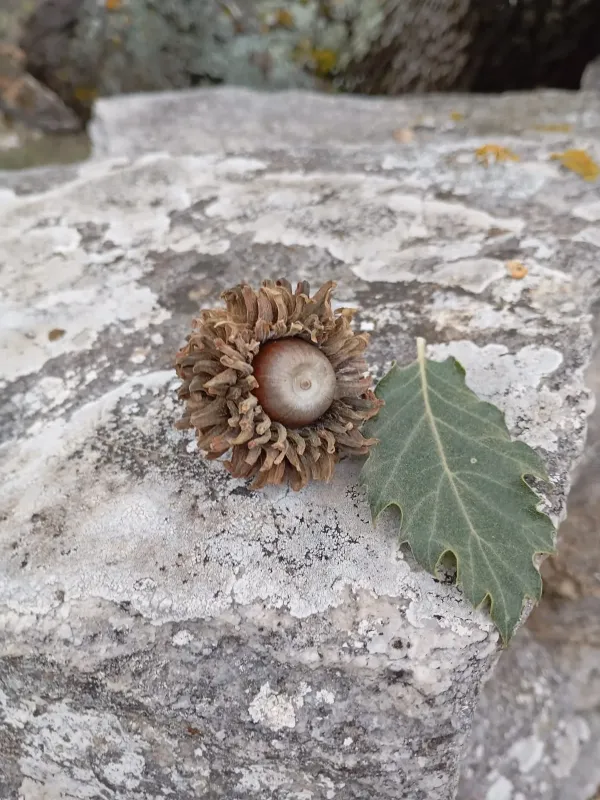
Description
Sowing dates
The propagation of the Valonia oak is primarily achieved through sowing acorns in the autumn, immediately after harvesting, which mimics natural environmental cycles and ensures optimal germination.
If sowing is delayed until spring, the acorns must undergo a period of cold stratification in a controlled environment to break seed dormancy and promote successful sprouting.
When selecting a site for new plantations, deep and well-drained soils are essential to ensure the healthy development of the tree's extensive taproot system.
Seedlings develop relatively slowly in the early years; therefore, providing a weed-free zone around the planting site is crucial to prevent resource competition.
Spacing between trees should be carefully managed, typically keeping at least 4 meters apart, to allow for full canopy expansion as the trees reach maturity.
Growing requirements
Quercus macrolepis, commonly known as the Valonia oak, is a deciduous tree belonging to the Fagaceae family, native to the Eastern Mediterranean region.
This species is highly heliophilic, meaning it requires full sunlight to thrive and will suffer significant physiological stress if grown in shady conditions.
It is remarkably drought-tolerant, making it an ideal choice for arid landscapes and calcareous soils where many other timber species would fail to survive.
The Valonia oak prefers a Mediterranean climate characterized by warm, dry summers and mild winters, as it is sensitive to severe frost during its early developmental stages.
Soil management should focus on aeration and preventing waterlogging, as the species is highly susceptible to root decay if the substrate remains saturated for extended periods.
Yield
The primary economic output of this culture is the large acorn, traditionally referred to as 'valonia', which is highly prized for its exceptional tannin content.
These tannins are historically and industrially significant for the leather tanning process, providing high-quality finish for leather goods in global markets.
The tree enters a phase of consistent productivity once it reaches maturity, typically between 20 to 30 years, after which it can produce large quantities of acorns annually.
Yield stability is strongly correlated with climate conditions during the flowering period; moderate temperatures and light winds are optimal for ensuring proper pollination.
Maximizing the yield involves maintaining healthy tree stands, ensuring adequate moisture during the initial growth years, and efficient collection after fruit maturation.
Main diseases and pests
Phytophthora species represent a significant threat to Valonia oak plantations, especially in areas where soil drainage is not effectively managed, leading to root rot.
Insect pests, including the oak weevil and various defoliating caterpillars, pose a risk to both the vegetative growth of the trees and the total acorn harvest.
Powdery mildew is a recurring problem in dense nursery settings, where high humidity and poor air circulation can facilitate the rapid spread of the pathogen.
Mature trees may also be affected by wood-boring beetles that compromise the structural integrity of the trunks, making regular sanitary monitoring a necessity.
Integrated pest management, involving both mechanical removal of infested parts and targeted treatments, is essential for maintaining long-term tree vitality.
Harvesting
Harvesting usually takes place in late autumn when the acorns reach full maturity, evidenced by their brown coloration and natural detachment from the tree branches.
Collected acorns must be processed quickly; exposure to damp ground conditions for extended periods increases the risk of fungal contamination and tannin quality degradation.
Drying is a critical step in the post-harvest cycle, requiring well-ventilated storage conditions to reduce moisture content and preserve the chemical integrity of the nuts.
Once dried, the valonia is typically cleaned of debris, such as cupules and leaf litter, and prepared for industrial extraction of the active tanning agents.
Proper storage in moisture-controlled environments ensures that the tannin concentration remains stable until the product is sold for industrial processing.