
Thick-leaved oak
Quercus crassifolia
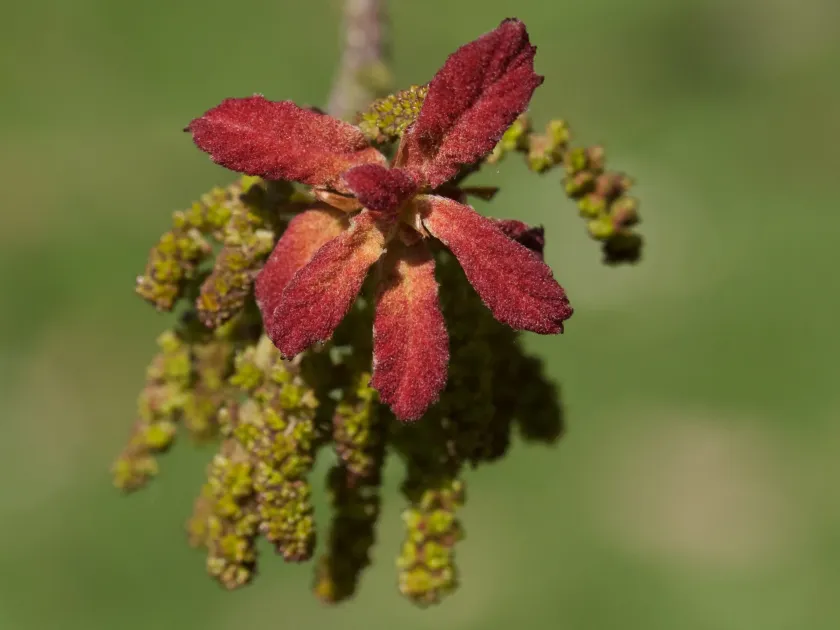
Description
Sowing dates
Propagation of the thick-leaved oak in nurseries is primarily carried out via seeds. It is recommended to sow the acorns immediately after collection in the autumn to ensure natural stratification within the soil.
For spring sowing, acorns require pre-treatment in a cool, moist substrate at temperatures ranging from 1 to 5 degrees Celsius for several months. This process enhances germination rates and promotes uniform emergence in the first half of the season.
Seeds should be planted at a depth of 3 to 5 centimeters in well-drained, loose soil. The spacing between rows should be at least 50-70 centimeters to ensure adequate nutrition space for young seedlings in their first year of growth.
Irrigation after sowing must be regular yet moderate to avoid seed rot under waterlogged conditions. Moisture control is critical during the cotyledon emergence stage when the root system begins its initial rapid development.
Using container-grown methods minimizes root damage during future transplanting to permanent sites. This technique is considered most effective for ensuring high survival rates for the culture in forest nurseries.
Growing requirements
The thick-leaved oak belongs to the Fagaceae family and naturally occurs in the mountainous regions of Mexico. This crop has specific climatic requirements, favoring regions with moderately humid subtropical conditions.
Optimal soils for this species are well-drained loams or rocky substrates with a neutral to slightly acidic pH. The tree is highly sensitive to water stagnation, making the selection of a site with natural drainage or slopes a priority.
The plant exhibits moderate frost resistance and can tolerate brief temperature drops typical of high-altitude forests. However, young seedlings require protection from strong winter winds and drastic temperature fluctuations during their initial years.
In terms of light, the thick-leaved oak is moderately demanding: when young, it tolerates partial shade well, yet mature specimens require full sunlight for vigorous canopy development.
For successful acclimation in agricultural or forestry settings, the composition of the humus layer must be considered. Incorporating organic fertilizers during early development stages contributes to faster formation of the root system.
Yield
Economic use of the thick-leaved oak is primarily directed toward high-quality hardwood production. The biomass growth rate depends on the intensity of agronomic care and the quality of soil conditions at the site.
In its natural habitat, the tree reaches medium sizes, but with cultivation in favorable conditions, trunk formation occurs more intensely. The value of the timber lies in its high density and resistance to mechanical damage.
Plantation productivity is estimated by the volume of timber per hectare upon reaching technical maturity. To maximize yield, regular sanitary and structural pruning is necessary throughout the first decades of growth.
An additional use includes harvesting acorns, which can be utilized for reforestation projects or as feed in specialized farm environments. Fruiting begins as the tree reaches a mature stage.
It is important to remember that the main goal when cultivating this species is to maintain ecological balance and ensure sustainable long-term exploitation of forest resources, making it a long-term investment.
Main diseases and pests
Typical threats to the thick-leaved oak include fungal diseases affecting bark and leaves, which develop in conditions of high air humidity. Notable among these is powdery mildew, which attacks young shoots and reduces photosynthetic efficiency.
Pests such as leafrollers and various species of weevils can cause significant damage to foliage and acorns during periods of mass reproduction. Controlling insect populations requires regular phytosanitary monitoring of the stands.
Root rots pose a serious danger if watering protocols are violated or if planted in waterlogged areas. Prevention includes selecting healthy planting material and using fungicides when necessary.
- Powdery mildew (foliage)
- Oak leafroller (leaf damage)
- Phytophthora root rot
- Weevils (fruit infestation)
Timely sanitary cleaning of the site from fallen leaves and diseased branches allows for a significant reduction in the infection load. Adhering to agronomic standards is the most effective method for managing pathogens of this crop.