
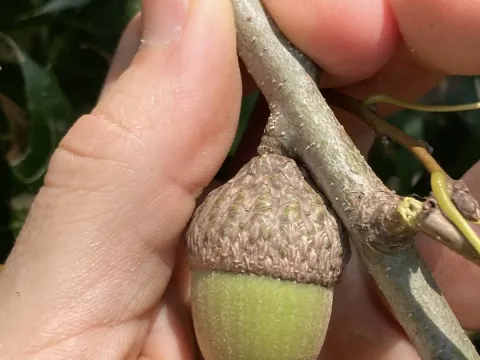
Texas red oak
Quercus texana
Texas red oak is primarily propagated through seeds, with acorns being planted in the autumn immediately after harvest. Placing acorns in the soil before winter allows for natural stratification, which is essential for uniform germination in the following spring.
What the section contains
Texas red oak
For spring sowing, seeds must undergo artificial stratification in damp sand at temperatures between +1 and +5 degrees Celsius for approximately three months. This process ensures that the embryo breaks dormancy effectively and develops a strong taproot.
Seeds should be sown at a depth of 5–7 centimeters, with a spacing of at least 1 meter between plants to allow for healthy lateral development. Proper soil contact is vital to prevent the seeds from drying out during the germination phase.
Using two-year-old nursery-grown saplings is often preferred for large-scale forest planting projects. These seedlings are already well-adapted to container or nursery environments and establish themselves more reliably in the field.
Planting should occur in early spring before the buds begin to swell, ensuring the tree has the entire growing season to establish its root system. Adequate watering immediately after planting is crucial to eliminate air pockets around the roots.
The Texas red oak belongs to the Fagaceae family and thrives best in deep, well-drained loamy soils. It is sensitive to soil compaction and waterlogging, both of which can lead to root suffocation and poor overall health of the tree.
This species requires full sun exposure to maintain its vigorous growth rate and to develop a dense, healthy canopy. Insufficient sunlight will lead to spindly branches and an increased susceptibility to pests due to weakened plant defenses.
In terms of climate, the Texas red oak is adapted to warm, temperate regions but requires consistent moisture during its developmental years. While mature trees possess a high degree of drought tolerance, young saplings need regular irrigation.
A soil pH ranging from neutral to slightly acidic is ideal for nutrient uptake, particularly for essential micronutrients. If the soil is too alkaline, symptoms of chlorosis may appear, necessitating the addition of soil amendments.
Beneficial mycorrhizal fungi associations are critical for the long-term health of this species. Protecting the soil around the root zone from excessive chemical disturbance helps sustain these vital symbiotic relationships.
Common pathological threats include powdery mildew, which can significantly damage leaves during humid summer periods. Maintaining good air circulation within the tree canopy is a primary cultural practice for preventing fungal outbreaks.
Defoliating insects, such as caterpillars and leaf rollers, are a frequent problem that can stress the tree by reducing photosynthetic activity. Integrated pest management, including biological controls, is effective in managing these infestations.
Boring insects, such as oak borers and metallic wood-boring beetles, primarily attack trees that are already stressed by environmental factors. Keeping the trees healthy through proper site selection and irrigation is the best defense against these borers.
Root rot pathogens can be devastating if the drainage on the planting site is poor. Improving soil aeration and preventing the ponding of water is essential for preventing the spread of these soil-borne diseases.
Routine monitoring of the trunk and foliage for signs of decline or discoloration allows for early intervention. Proper maintenance, including the removal of dead or damaged wood, significantly reduces the risk of pest colonization.