
Southern red oak
Quercus falcata
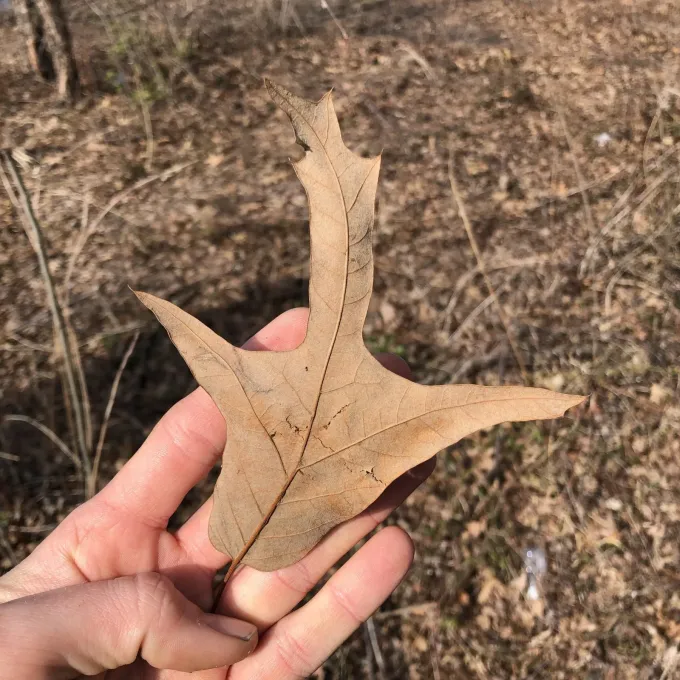
Description
Sowing dates
Sowing of Southern red oak acorns is best performed in the autumn, allowing the seeds to undergo natural stratification during the winter months for optimal germination.
If spring sowing is preferred, acorns should be kept in cold, moist storage conditions to prevent embryo dehydration, as the species loses viability quickly if dried out.
Seeds should be planted at a depth of 3 to 5 centimeters, ensuring they are firmly covered with soil to provide the necessary moisture for the radicle to emerge.
When cultivated in nurseries, rows should be spaced adequately to allow for equipment passage and to reduce competition between young seedlings.
Effective site preparation, including weed control and soil loosening, is essential during the first two growing seasons to ensure rapid early development.
Growing requirements
Quercus falcata, a member of the Fagaceae family, is native to the southeastern United States and is known for its ability to thrive on relatively poor, dry upland sites.
The species prefers acidic, sandy loam or clay soils and demonstrates remarkable tolerance to conditions where more demanding oak species would fail.
This oak is highly light-demanding, meaning that it requires full overhead sunlight to maintain a vigorous growth rate and to develop a healthy, structural canopy.
While established trees possess moderate drought tolerance, adequate soil moisture is critical for juvenile plants, particularly during the first few years of establishment.
The climate requirement is primarily centered on mild temperate to subtropical conditions, as the tree is not suited for areas with extremely harsh, prolonged winters.
Main diseases and pests
Oak wilt is the most significant pathological threat to this species, as it rapidly causes vascular collapse and tree mortality within infested forest stands.
Insect pests, such as the oak leaf tier and various gall-forming wasps, can cause significant cosmetic and physiological stress to the tree foliage.
Powdery mildew is a common fungal issue that frequently affects the juvenile foliage of seedlings and saplings during periods of high atmospheric humidity.
Boring insects, including species of Buprestidae, target weakened or stressed trees, often serving as a secondary mortality factor in overcrowded stands.
- Implementation of regular silvicultural thinning.
- Sanitation harvesting of infected or damaged trees.
- Monitoring of defoliator population cycles.
- Applying preventative fungal treatments in nurseries.
Harvesting
The wood of Quercus falcata is utilized for various industrial purposes, including furniture manufacturing, flooring, and general construction lumber.
Harvesting strategies are based on silvicultural objectives, focusing on the removal of mature trees to encourage the growth of the remaining stand.
In addition to timber, the species plays a vital role in urban forestry as an ornamental tree, valued for its unique leaf morphology and overall stature.
Seed harvesting from high-quality mother trees is vital for reforestation efforts, ensuring that future generations maintain healthy genetic diversity.
Post-harvest management involves proper site clearing and preparation to facilitate natural regeneration or supplemental planting for sustainable forestry cycles.