
Haplocoelum
Haplocoelum
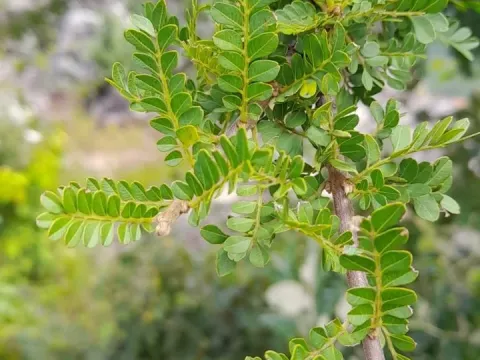
Haplocoelum is a genus of evergreen trees belonging to the Sapindaceae family. These trees are native primarily to sub-Saharan Africa. Biologically, they are characterized by their sturdy structure and adaptation to tropical environments, often forming part of the woodland or savanna canopy layers.
What the section contains

Haplocoelum
Climatic requirements for the genus include constant warmth. Haplocoelum species are strictly tropical, meaning they thrive in regions where the temperature does not drop below freezing. They are best suited for zones with a clear distinction between wet and dry seasons, but they require sufficient water during active growth.
Soil quality is crucial for the development of Haplocoelum. These trees perform best in deep, well-drained loamy or sandy-loam soils. It is essential that the site has good drainage, as the root systems of these species can be susceptible to fungal issues if they are consistently waterlogged.
In terms of agricultural management, regular pruning is often beneficial to maintain the structural integrity of the trees, especially when grown in managed landscapes or botanical collections. Because they are not widely cultivated as commercial crops, most management practices are derived from conservation and ornamental horticulture.
The economic and practical uses of Haplocoelum are varied. Certain species provide valuable wood or have traditional uses in local ecosystems. Beyond their direct utility, they are recognized for their ecological value, providing habitat and resources for various insects and birds within their native range.