
Heart-leaf maple
Acer cordatum
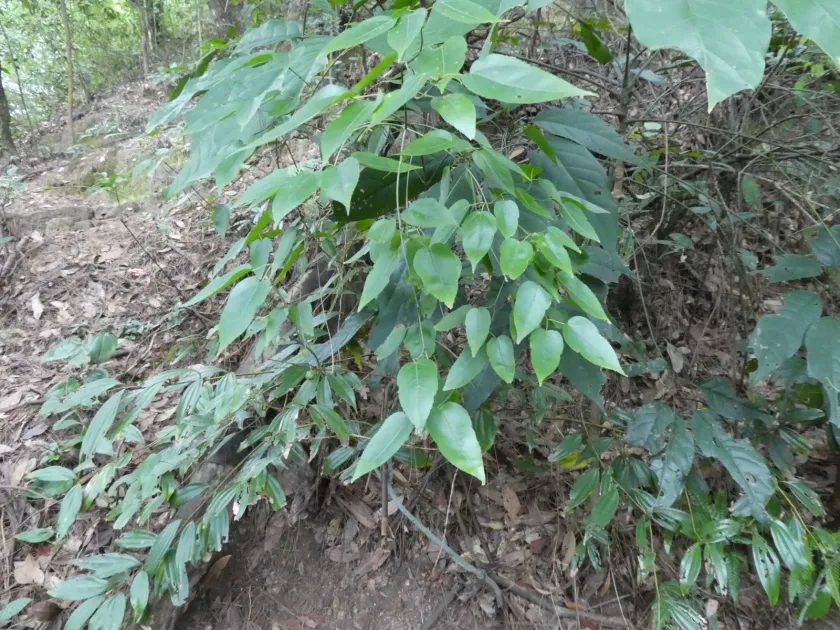
Description
Sowing dates
The propagation of Acer cordatum is typically carried out through seeds sown in autumn immediately after collection, which allows for natural cold stratification over the winter. If spring sowing is planned, seeds must undergo cold stratification at temperatures between 1°C and 5°C for 90 to 120 days to break dormancy.
Seeds should be sown at a depth of 2 to 4 centimeters in well-drained, fertile soil. Maintaining consistent moisture is crucial during the germination phase, but overwatering must be avoided to prevent fungal rot and ensure successful development of the seedlings.
Transplanting saplings is most successful during the early spring before bud break or in late autumn once the tree has entered dormancy. Proper handling of the root ball is essential to minimize transplant shock and encourage rapid establishment in the new location.
For container-grown nursery stock, planting can occur throughout the growing season provided that irrigation is managed closely. Ensuring the root collar remains at soil level prevents deep-planting complications that can lead to collar rot.
Spacing recommendations depend on the intended use; for woodland reforestation, a density of 1.5 to 2 meters is common, while for aesthetic or specimen planting, an allowance of 4 to 5 meters is recommended to accommodate the canopy's natural spread.
Growing requirements
Acer cordatum, a member of the Sapindaceae family, is native to the mountain regions of Southeast China. It thrives best in deep, fertile, well-drained loamy soils with a pH ranging from slightly acidic to neutral, reflecting its natural forest habitat.
While the tree shows a degree of shade tolerance in its youth, it requires adequate sunlight for optimal growth and the development of its characteristic foliage. High humidity is a key environmental factor, making it sensitive to dry climates and hot, arid winds.
Soil fertility should be maintained through the application of organic mulch or compost, which mimics the natural leaf litter layer found in its native environment. This practice also helps regulate soil temperature and moisture retention.
Consistent watering is necessary, especially during the initial years of establishment and during extended dry spells. Care should be taken to provide deep, thorough watering rather than frequent light sprinkling, which encourages shallow rooting.
Effective agrotechnical management involves regular soil aeration around the base and protection from extreme weather conditions, particularly strong, drying winds which can cause leaf scorch in sensitive cultivars.
Main diseases and pests
The primary diseases affecting Acer cordatum include powdery mildew, a fungal condition favored by high humidity and poor ventilation. Proper spacing and airflow management within the canopy are essential for prevention.
Verticillium wilt is a more severe threat, as it affects the vascular system, potentially leading to branch dieback or total tree decline. Management includes the immediate removal of infected branches and ensuring the tree is kept in a vigorous, healthy state through proper fertilization.
Key insect pests include aphids and the maple mealybug, which feed on the sap of young shoots. These pests can significantly reduce tree vigor and serve as vectors for secondary infections or soot mold development.
Wood-boring beetles may target weakened trees, making the maintenance of tree health a primary defensive strategy. Regular inspection for exit holes or frass in the bark is recommended as part of a routine health assessment.
Integrative pest management strategies include regular sanitary pruning, cleaning tools with alcohol between cuts to prevent pathogen spread, and applying authorized insecticides or fungicides when pest thresholds are exceeded.