
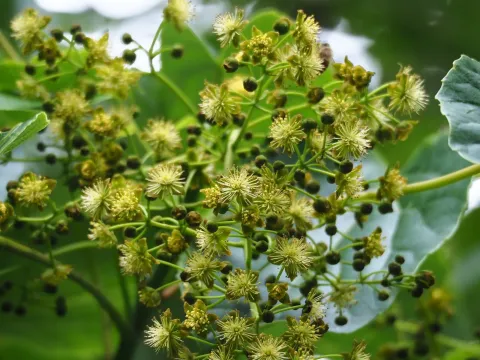
Idesia polycarpa
Idesia Maxim.
Propagation of Idesia polycarpa is primarily performed through seeds, which should be subjected to cold stratification to break dormancy and ensure high germination rates.
What the section contains
Idesia polycarpa
Sowing should take place in spring, using a well-drained, lightweight growing medium kept at a constant temperature of approximately 18-20 degrees Celsius.
Seedlings should be moved to individual pots as soon as they develop their first set of true leaves to prevent overcrowding and root competition.
When transplanting into the field, choose a location with deep, fertile soil and adequate spacing to accommodate the tree's future wide-spreading crown.
Young plants require consistent monitoring for moisture levels, as they are more susceptible to water stress during their first two years of growth.
Idesia polycarpa, a member of the Salicaceae family, is a deciduous tree native to temperate and subtropical regions of East Asia.
The tree thrives in moist, fertile soils with an acidic to neutral pH, requiring good drainage to prevent waterlogging, which the plant poorly tolerates.
It prefers sunny, sheltered positions, which protect it from strong, drying winds and help improve the maturation of its wood before the winter season.
While mature trees exhibit moderate cold tolerance, they appreciate mulching around the base to protect shallow roots from extreme temperature fluctuations.
Regular fertilization with balanced nutrients during the active growing phase significantly enhances the overall vitality and growth speed of the tree.
The primary agricultural interest in Idesia polycarpa lies in its seeds, which are rich in fatty oils used for industrial and cosmetic applications.
Beyond its oil yield, the tree is highly regarded for its aesthetic value, featuring large heart-shaped leaves and long, pendulous clusters of bright red berries.
As a dioecious species, orchards must include both male and female trees in appropriate ratios to ensure successful pollination and fruit production.
The berries are a significant source of food for local bird populations during the winter months, adding an ecological benefit to their cultivation.
Research continues into the potential medicinal properties of the fruit extract, which contains various bioactive compounds of interest to the scientific community.
Idesia polycarpa is generally resilient; however, it can be susceptible to fungal leaf spots if grown in stagnant, overly humid conditions.
Common insect pests include scale insects and aphids, which may cluster on young shoots and significantly inhibit the growth of younger specimens.
Implementing a preventive integrated pest management strategy, including manual removal of infected branches, is effective in maintaining plant health.
Root rot is a major threat in poorly drained soils, making site selection the most important factor in preventing the loss of entire stands.
Seasonal pruning of damaged or dead wood helps maintain the tree's health and ensures good air circulation through the canopy.
The harvest season for Idesia berries begins in late autumn, once the fruits have fully developed their characteristic intense crimson or scarlet color.
Since the fruits can remain on the branches throughout the winter, timing the harvest is crucial to maximize the quantity and oil content before any degradation.
Mechanical harvesting is often preferred for large-scale operations, utilizing shaking techniques to detach the berries from their pedicels.
Post-harvest handling requires quick cleaning and drying to reduce moisture content and prevent the onset of mold and spoilage.
Storage should be conducted in cool, dry areas with adequate airflow to ensure the quality of the raw oil-bearing material is preserved until processing.